Why Heartworm Testing Matters for Charlotte Pets This Spring


Why Heartworm Testing Matters for Charlotte Pets This Spring
As spring arrives in Charlotte and the temperatures begin to climb, pet owners across the city and surrounding communities start to enjoy more time outdoors with their dogs and cats. Along with the sunshine and blooming flowers, however, comes a rise in mosquitoes—the primary carriers of heartworm disease. At Clear Creek Animal Hospital, located at 9336 Parkton Rd Charlotte, NC 28215, our team of veterinarians understands how important it is to protect your pets from this potentially life-threatening illness. Heartworm testing is a vital step in keeping your pets safe, especially during the warmer months when the risk is highest. In this blog, we will explain why spring is the ideal time for heartworm screening, how our gentle and thorough approach ensures your pet’s comfort, and what you can do to prevent heartworm disease all year long. If you have questions about heartworm testing or want to know what to watch for, our goal is to provide you with clear, compassionate guidance every step of the way.
Recognizing the Risk: Why Heartworm Matters for Charlotte Pets
Many pet owners are surprised to learn just how common heartworm disease has become in North Carolina, especially in cities like Charlotte where warm, humid weather creates ideal conditions for mosquitoes. Dogs are the most frequent victims, but cats can also become infected. The disease is caused by parasitic worms that are transmitted through the bite of an infected mosquito, eventually making their way into your pet’s heart and lungs.
Early on, heartworm disease can be nearly invisible; most pets show no outward signs until the infection is already advanced. Key symptoms of heartworm disease in dogs include a persistent cough, fatigue after moderate activity, decreased appetite, and weight loss. In severe cases, you might notice labored breathing or even fainting episodes. Cats may exhibit symptoms that are more subtle, such as coughing, vomiting, lack of appetite, or sudden collapse. Because these signs can mimic other health problems, regular heartworm testing is critical for early detection and effective intervention.
Understanding Heartworm: How the Disease Develops and Spreads
To appreciate why timely heartworm testing is so important, it helps to understand how heartworm disease develops. When an infected mosquito bites your pet, it transmits microscopic larvae into their bloodstream. Over the course of several months, these larvae mature into adult heartworms that settle in the heart, lungs, and surrounding blood vessels. As the worms grow, they cause inflammation and restrict blood flow, leading to organ damage and, in advanced cases, heart failure.
In Charlotte and the surrounding communities, mosquito season can last from early spring well into the fall, increasing the window during which pets can be exposed. Dogs are considered the natural host for heartworms, which means the parasites thrive in their bodies and can reproduce, leading to infections with dozens or even hundreds of worms. Cats are not natural hosts, so their bodies tend to harbor fewer worms, but the disease can still cause severe complications, including sudden death.
Because the early stages of heartworm infection are silent, waiting for symptoms to appear can put your pet at unnecessary risk. That’s why the American Heartworm Society and veterinary professionals everywhere strongly recommend annual heartworm testing, even for pets who are on preventive medication.
Heartworm Testing at Clear Creek Animal Hospital: What to Expect
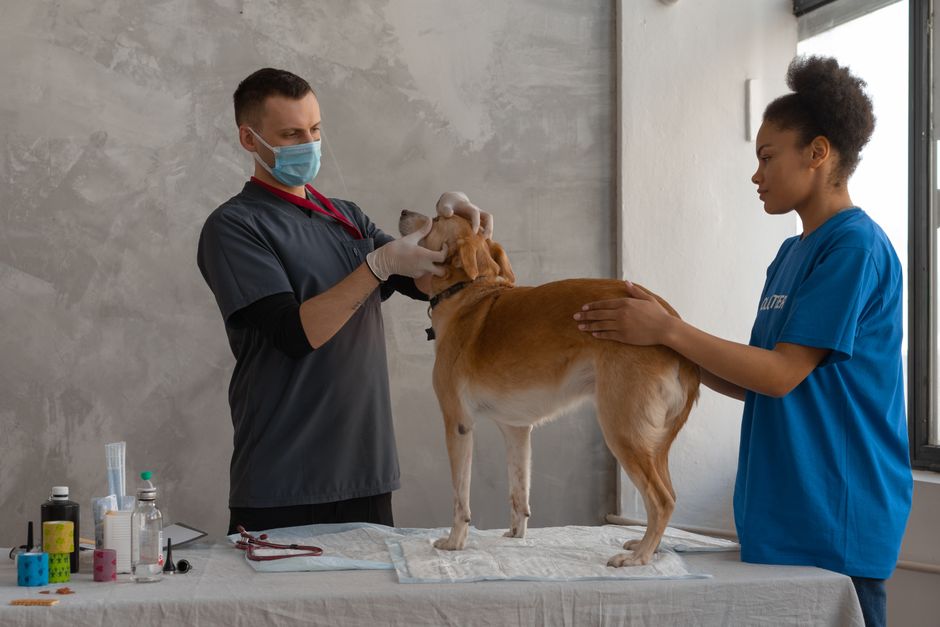
When you bring your pet to Clear Creek Animal Hospital for heartworm testing, our veterinarians prioritize their comfort and emotional wellbeing. The test itself is simple and minimally invasive. For dogs, a small blood sample is drawn and analyzed for heartworm proteins. Results are typically available during your visit, allowing us to discuss next steps right away. For cats, testing may involve additional bloodwork to check for both heartworm infection and exposure, since their symptoms and testing needs can be different from those of dogs.
Our veterinary team will review your pet’s health history, discuss any symptoms you may have noticed, and recommend a wellness examination if your pet is due for a checkup or if there are other health concerns. By combining heartworm testing with a wellness exam, we are able to monitor your pet’s overall health, update vaccination schedules, and ensure they are protected from a wide range of seasonal threats.
Should your pet test positive for heartworms, rest assured that our veterinarians are experienced in guiding families through the next steps. We will explain the treatment process, answer your questions, and provide all the support you need to help your pet recover.
Heartworm Prevention: Protecting Your Pet Year-Round
Preventing heartworm disease is far easier, safer, and less costly than treating an active infection. The cornerstone of prevention is a monthly medication, which can be given as a chewable tablet, topical solution, or, in some cases, an injection. These medications work by killing immature heartworm larvae before they can mature and cause harm. Our veterinarians will help you select the preventive that fits your pet’s age, lifestyle, and medical needs.
In addition to medication, scheduling regular heartworm testing is essential. Even pets on year-round preventives can occasionally miss a dose or spit out a pill without their owners noticing. Testing allows us to catch any breakthrough infections early, when treatment is most effective. For families who travel or spend time outdoors in areas with heavy mosquito populations, our veterinary professionals can tailor prevention plans and recommend comprehensive wellness plans that include heartworm protection as well as other critical care services.
Additional steps you can take at home include using pet-safe mosquito repellents, eliminating standing water in your yard, and avoiding outdoor activities during peak mosquito hours. While these measures help reduce exposure, they cannot replace the security of veterinary-approved prevention and regular heartworm testing.
When to Seek Veterinary Care
Knowing when to bring your pet in for professional care is vital. You should schedule an appointment if your dog or cat has missed a dose of heartworm prevention, is overdue for annual heartworm testing, or if you notice signs such as coughing, fatigue, difficulty breathing, vomiting, or unexplained weight loss. In these situations, prompt evaluation by our veterinary team at 9336 Parkton Rd Charlotte, NC 28215 is crucial.
If your pet has never been tested or has recently been adopted, our veterinarians recommend scheduling a heartworm test as soon as possible. Early detection can make a significant difference in your pet’s prognosis and quality of life. For more information about heartworm disease and how we diagnose it, you can visit our heartworm testing service page.
Always remember that while home care and preventive steps are important, only a licensed veterinarian can accurately diagnose and treat heartworm disease. Delaying care can lead to more serious complications and increase the risk of transmission to other pets.
Keeping Your Charlotte Pet Safe This Spring and Beyond
Heartworm disease is a serious and growing concern for pets in Charlotte and surrounding communities, but it is also one of the most preventable illnesses when pet owners and veterinarians work together. By making heartworm testing a routine part of your pet’s spring health care, you ensure early detection and peace of mind for your family. At Clear Creek Animal Hospital, our veterinarians are committed to providing the gentle, personalized care your pet deserves, whether you need annual testing, prevention advice, or a thorough wellness examination.
If you are searching for a trusted "vet near me" who understands the unique needs of Charlotte pets, our veterinary team is here to help. Schedule your pet’s heartworm testing today by calling (704) 285-2736 or visiting us at 9336 Parkton Rd Charlotte, NC 28215. We welcome new and returning clients from all across Charlotte and the surrounding areas, and we look forward to helping your pet enjoy a happy, healthy spring.
If you have any questions about heartworm prevention, testing, or your pet’s overall health, do not hesitate to reach out. Together, we can keep your pets safe—this spring and every season. For more resources on heartworm disease, visit the American Heartworm Society or contact our team directly for personalized guidance.
This blog is intended for informational purposes only and does not substitute for professional veterinary advice. Always consult your veterinarian for specific questions regarding your pet’s health.