Can Dogs Get Colds? Signs, Treatment, and Prevention


Can Dogs Get Colds? Signs, Treatment, and Prevention
As the weather shifts in Charlotte and spring brings warmer, sometimes unpredictable temperatures, many pet owners find themselves wondering, “Can dogs get colds?” At Clear Creek Animal Hospital, our veterinarians are often asked about canine respiratory health, especially when a beloved pup starts sneezing or coughing. Just like us, dogs can develop symptoms resembling a cold, and it’s important to know what to watch for, how to care for your pet, and when to seek professional help. In this guide, we’ll explore the signs of respiratory illness in dogs, discuss how these conditions develop, share tips for home care and prevention, and explain when a visit to our 9336 Parkton Rd, Charlotte, NC 28215 clinic is recommended. Throughout, we’ll highlight how our dedicated veterinary team supports the health of pets in Charlotte and surrounding communities, and how you can partner with us to keep your dog feeling their best.
Can Dogs Get Colds? Recognizing the Signs in Charlotte Pets
Many pet owners are surprised to learn that dogs can develop upper respiratory infections that share many similarities with the human cold. Although the viruses and bacteria affecting dogs are different from those that make people sick, the symptoms can look quite familiar. Key signs of a “cold” in dogs include sneezing, a runny nose, watery eyes, mild coughing, and occasional lethargy or reduced appetite. You might notice your dog seems a bit less energetic than usual or is more interested in resting than playing. In some cases, a mild fever may develop, but this is less common.
If your dog lives in a household with other pets, you might see similar symptoms in more than one animal, as some respiratory infections can be contagious among dogs. It's important to note that while these signs can point to a mild cold, they may also indicate more serious conditions such as kennel cough, canine influenza, or even early pneumonia. For this reason, careful observation and prompt communication with your veterinarian are essential.
What Causes Colds in Dogs?
Understanding the answer to “can dogs get colds” requires a look at the different microorganisms that can affect a dog’s respiratory system. The term “cold” is often used to describe a variety of mild upper respiratory infections, which can be caused by viruses such as canine parainfluenza virus or adenovirus, or by bacteria like Bordetella bronchiseptica (commonly known as kennel cough). These germs spread through airborne droplets, direct contact with an infected animal, or contaminated objects like water bowls or toys.
Dogs who attend daycare, visit dog parks, or board in kennels may be at higher risk, especially if their vaccinations are not up to date. Seasonal changes, such as the fluctuations we see in Charlotte’s spring weather, can also play a role by affecting a dog’s immune response or leading to increased indoor gatherings of pets. Additionally, underlying conditions like allergies or chronic respiratory disease can make some dogs more prone to developing symptoms when exposed to infectious agents.
Environmental factors in the Charlotte area, such as pollen and humidity, can further irritate a dog’s airways, making respiratory illness more likely or more uncomfortable. Our veterinary team at Clear Creek Animal Hospital is experienced in differentiating between infectious colds and other causes of coughing or sneezing, such as allergies. If your dog has chronic skin or respiratory symptoms, exploring options like allergy testing services may be beneficial.
Treatment and Management: How Our Veterinarians Help Dogs With Colds
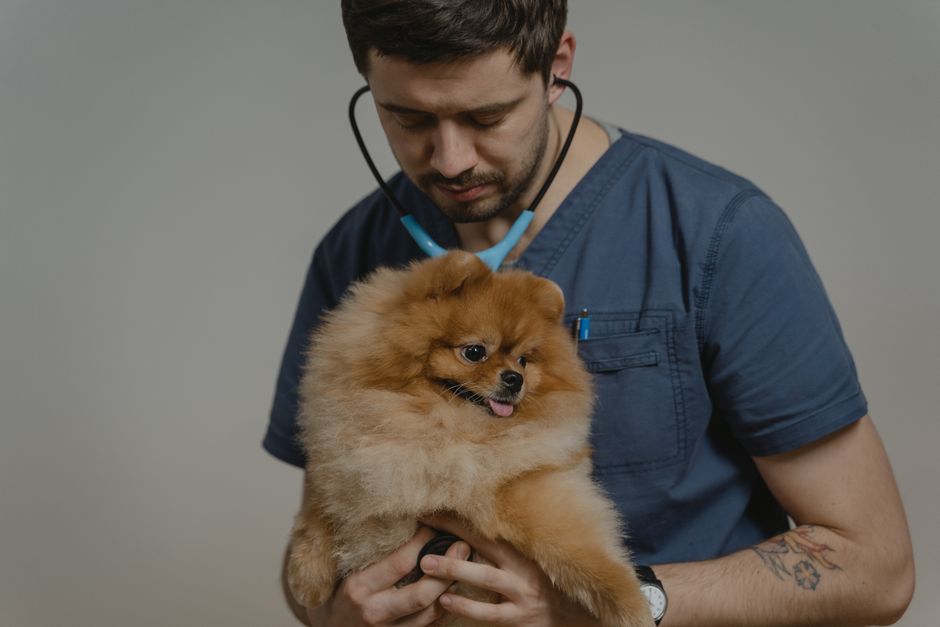
When you bring your dog to Clear Creek Animal Hospital for respiratory symptoms, our veterinarians begin with a thorough physical examination and a detailed history of your pet’s recent activities and environment. Diagnostic approaches may include listening carefully to your dog’s lungs, checking for fever, and in some cases, recommending additional tests such as pet diagnostic laboratory screenings to rule out more serious infections or complications.
Most mild canine “colds” resolve with supportive care at home. This involves ensuring your dog stays well hydrated, receives plenty of rest, and continues to eat a nutritious diet. Some dogs may benefit from a warm, comfortable environment away from drafts or extreme temperatures. For pets with underlying allergies, skin issues, or recurrent respiratory problems, our veterinary professionals may suggest specialized care or referral to our veterinary dermatology services to address any contributing factors.
If your dog’s symptoms are more severe, such as persistent coughing, difficulty breathing, refusal to eat, or a high fever, our veterinarians may recommend medications to address infection or inflammation, and, in rare cases, more advanced treatments. It’s essential to avoid giving over-the-counter cold medicines intended for humans, as these can be dangerous for pets. Every treatment plan is customized to meet your dog’s specific health needs, and our veterinary team is committed to providing gentle, compassionate care throughout your pet’s recovery.
Prevention and Home Care: Protecting Your Dog From Respiratory Illness
While it’s not always possible to prevent every sniffle, there are practical steps you can take to reduce your dog’s risk of catching a cold or developing more serious respiratory infections. Keeping your dog’s vaccinations current is one of the most effective strategies, especially if your pet spends time around other dogs. At Clear Creek Animal Hospital, we offer pet vaccinations that protect against common respiratory illnesses, including Bordetella and canine influenza; our veterinarians can advise you on the most appropriate schedule for your pet’s age and lifestyle.
Maintaining your dog’s overall wellness through regular wellness exams allows our veterinary team to catch early signs of illness and address concerns before they become serious. Good hygiene practices, such as washing your hands after handling other dogs and regularly cleaning your pet’s bowls and bedding, can help limit exposure to viruses and bacteria. If your dog has known allergies, working with our veterinarians to manage these conditions can reduce the risk of secondary respiratory symptoms during high-pollen seasons in Charlotte.
At home, providing a balanced diet, plenty of fresh water, and a stress-free environment all contribute to a strong immune system. If your dog enjoys socializing with other pets, choosing well-managed playgroups or boarding facilities that require up-to-date vaccinations can provide an added layer of protection.
When to Visit Clear Creek Animal Hospital: Knowing When Professional Care Is Needed
Most mild dog “colds” will resolve on their own with supportive care and some extra TLC. However, certain symptoms warrant a prompt appointment with our veterinary professionals. Warning signs that indicate it’s time to schedule a visit include persistent or severe coughing, difficulty breathing, wheezing, or labored breaths. Additional red flags are a loss of appetite lasting more than a day, lethargy that doesn’t improve, thick or colored nasal discharge, or signs of pain or distress. Puppies, senior dogs, and pets with chronic health issues are especially vulnerable and should be seen by our veterinarians sooner rather than later if respiratory symptoms develop.
If you’re ever unsure whether your dog’s symptoms are serious, our veterinary team is always happy to answer your questions and provide guidance. You can call (704) 285-2736 to discuss your pet’s condition or schedule an appointment for a thorough evaluation at our Charlotte clinic. Early intervention can make a significant difference in your dog’s comfort and recovery, especially when respiratory illness is involved.
Keeping Your Dog Healthy in Every Season: Partner With Clear Creek Animal Hospital
Can dogs get colds? The answer is yes; dogs in Charlotte and the surrounding communities can develop upper respiratory infections that resemble the common cold. While many cases are mild and resolve quickly with proper care, it’s important to recognize the signs that your dog may need extra support. Staying up to date with wellness exams and pet vaccinations, maintaining good hygiene, and working closely with your veterinarian are the best ways to ensure your pet stays healthy year-round.
If you notice any concerning symptoms or if you’re searching for a “vet near me” who truly cares about your pet’s wellbeing, our team at Clear Creek Animal Hospital is here for you. We invite you to schedule an appointment by calling (704) 285-2736 or visiting our Charlotte location. Together, we can ensure your dog enjoys a happy, healthy, and active life—no matter what the season brings.
This article is for informational purposes only and is not a substitute for veterinary advice. Always consult your veterinarian for accurate diagnosis and appropriate treatment of your pet’s health concerns.
For additional resources on canine respiratory health, you may find helpful information at the American Veterinary Medical Association and Cornell University College of Veterinary Medicine.