Spring Allergy Relief Tips for Charlotte Pets


Spring Allergy Relief Tips for Charlotte Pets
Spring in Charlotte and its surrounding communities is a beautiful time to get outside with your pets, but it can also be a challenging season for dogs and cats who suffer from allergies. As pollen counts rise and gardens bloom, many pets start scratching, sneezing, or developing skin issues that leave owners searching for answers. At Clear Creek Animal Hospital, located at 9336 Parkton Rd, Charlotte, NC 28215, our team of veterinarians understands how frustrating spring allergy symptoms can be for both you and your pet. In this guide, we’ll explore how to recognize signs of allergies in your dog or cat, what causes these seasonal reactions, which treatments are available, and what steps you can take at home to provide relief. We will also explain when it’s time to schedule an appointment for professional help, and how personalized care from our veterinary team can make all the difference this spring.
How to Recognize Spring Allergy Symptoms in Your Dog or Cat
Spring allergies in pets can look different from what people typically experience, but the discomfort is just as real. Dogs and cats show a range of symptoms when reacting to pollen or other seasonal triggers. Key signs that your pet may be dealing with spring allergies include frequent scratching, licking or chewing at their paws, redness or irritation on the skin, and the appearance of scabs or hot spots. Some pets develop watery eyes, sneezing, or a runny nose as pollen counts climb. In certain cases, you might notice your dog or cat rubbing their face against furniture or the carpet in an attempt to relieve itching. If you have a pet with existing skin sensitivities, you may see a sudden flare-up as the weather warms up.
It’s important to remember that not every itchy pet has seasonal allergies; fleas, food sensitivities, and even stress can cause similar symptoms. Persistent or severe itching, areas of hair loss, and sore or infected skin should never be ignored. If your pet is showing any of these signs, especially if home remedies are not helping, our veterinary team recommends scheduling a wellness examination to get to the root of the problem.
What Causes Spring Allergies in Charlotte Pets?
Understanding the source of your pet’s allergies is the first step toward relief. In Charlotte and the surrounding areas, the most common cause of spring allergy symptoms is environmental pollen. Trees such as oak, pine, and maple release pollen in large amounts during March and April, creating a heavy seasonal load for sensitive pets. Grass pollens begin to rise as the weather continues to warm, and weeds follow later in the season. When pets go outside, these tiny particles can stick to their fur, skin, and even get inhaled, triggering an immune response.
In addition to pollen, other springtime culprits include mold spores, which thrive in damp conditions, and increased insect activity. Some pets are also sensitive to dust mites or chemicals used in lawn treatments. Genetics play a role; certain breeds, such as retrievers, terriers, and bulldogs, are more prone to develop allergic skin disease. Cats, especially those who spend time outdoors, can also develop seasonal allergies, although their symptoms are sometimes less obvious than in dogs.
When the immune system detects these harmless particles, it overreacts, releasing histamines that cause itching, redness, and inflammation. This response is called atopic dermatitis in veterinary medicine, and managing it can be a complex process. Identifying the specific trigger—whether it’s pollen, mold, or something else—may require careful observation, discussion, and sometimes special testing.
Professional Allergy Treatments and Veterinary Care Options
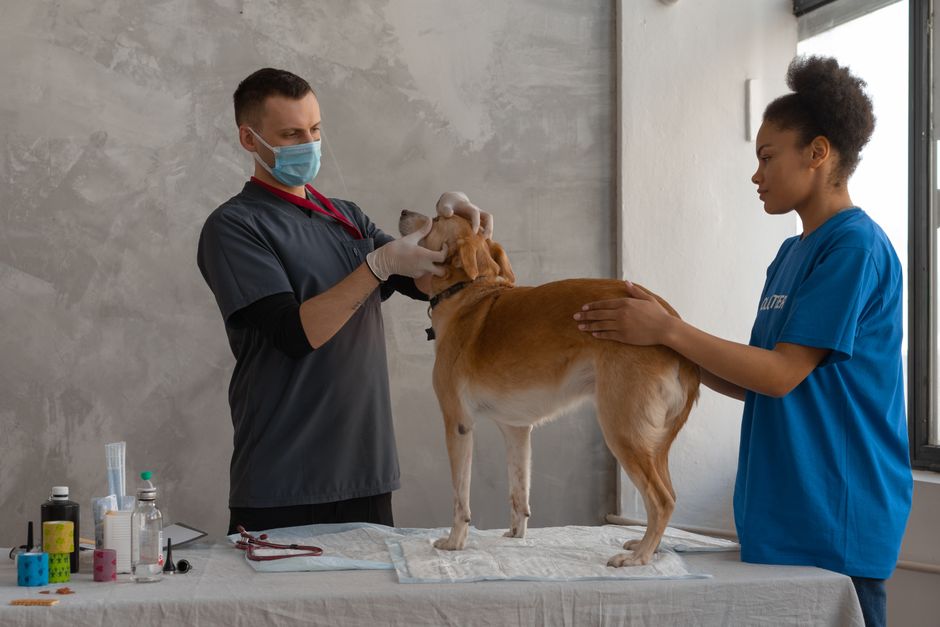
If you suspect your pet is suffering from spring allergies, professional veterinary care can provide both relief and peace of mind. At Clear Creek Animal Hospital, our approach starts with a thorough examination to rule out other causes of itching and discomfort. We may recommend allergy testing if symptoms are persistent or severe. This specialized testing helps us pinpoint exactly what your pet is reacting to, which is key to developing an effective treatment plan.
For many pets, allergy management involves a combination of therapies. Treatment options include prescription antihistamines, anti-itch medications, and medicated shampoos that soothe inflamed skin. In some cases, our veterinarians may recommend topical treatments or special sprays to calm irritated areas. If a secondary skin infection has developed, antibiotics or antifungal medications may be necessary.
Our veterinary team also offers dermatology services to address complex or chronic skin and allergy problems. For pets with severe allergies, immunotherapy (allergy shots or drops) may be considered, which can help desensitize the immune system over time. Every treatment plan is customized, taking into account your pet’s age, breed, lifestyle, and medical history.
We understand that managing allergies can be a long-term process. Our veterinarians will work closely with you to monitor your pet’s progress, adjust medications as needed, and provide guidance on environmental management to help minimize flare-ups.
Home Care Tips for Managing Spring Allergies
Alongside veterinary treatment, there are several steps you can take at home to help your pet stay comfortable during allergy season. Wiping down your dog’s paws and fur with a damp cloth after outdoor play can help remove pollen and reduce exposure. Regular bathing with a gentle, hypoallergenic shampoo can soothe itchy skin and wash away allergens. Brushing your pet frequently helps remove loose hair and trapped pollen, which is especially important for long-coated breeds.
Keeping your home clean is another important measure; frequent vacuuming, washing bedding in hot water, and using air purifiers can all help reduce airborne allergens. If your pet is particularly sensitive, limiting outdoor time during peak pollen hours (usually early morning and late afternoon) may be beneficial. For cats that spend time outside, consider providing indoor enrichment or supervised outdoor time to minimize exposure.
Feeding a high-quality diet and ensuring your pet receives regular preventive care can also support their overall health and immune function. Our veterinary team offers wellness plans designed to keep pets healthy year-round, which can be especially helpful for those prone to allergies. If you ever have questions about which products or routines are best for your pet, our veterinarians are always happy to offer advice tailored to your unique situation.
When to Schedule a Veterinary Visit for Allergy Relief
While mild allergy symptoms can often be managed with simple home care steps, there are times when professional veterinary attention is essential. You should schedule an appointment if your pet’s itching is constant or severe, if you notice open sores, hot spots, or hair loss, or if your pet’s skin appears red, swollen, or infected. Changes in appetite, energy, or behavior, as well as symptoms like persistent coughing, wheezing, or vomiting, also warrant an immediate call to our veterinary hospital.
Some pets may experience seasonal allergies every year, while others develop new sensitivities over time. If your pet’s usual treatments are not working, or if their symptoms are getting worse, an updated evaluation is needed. Early intervention can prevent complications and help your pet get back to enjoying the spring weather as soon as possible.
At Clear Creek Animal Hospital, we encourage you to reach out to our veterinary team with any concerns about your pet’s health. We are dedicated to providing gentle, personalized care and will work with you to find the most effective allergy relief solutions for your furry family member.
Partnering with Clear Creek Animal Hospital for Springtime Allergy Relief
As spring unfolds in Charlotte and the surrounding communities, your pet deserves to enjoy the season without the misery of itching, sneezing, or skin irritation. By staying alert to allergy symptoms, understanding the causes, and knowing when to seek help, you can give your dog or cat their best chance at a comfortable, happy spring.
If you’re searching for a veterinarian near me who truly understands spring allergy relief, consider the dedicated veterinary professionals at Clear Creek Animal Hospital. Our team is committed to providing compassionate, individualized care, from accurate allergy testing and expert dermatology services to ongoing wellness support. To schedule an appointment or discuss your pet’s symptoms, call us at (704) 285-2736 or visit our convenient location at 9336 Parkton Rd, Charlotte, NC 28215.
For more information about our full range of services, including allergy testing, dermatology, and comprehensive wellness plans, explore our website or speak with a member of our veterinary team. Together, we can help your pet thrive throughout pollen season and beyond.
This article is intended for informational purposes only and does not replace professional veterinary advice. If your pet is experiencing health concerns, please contact your veterinarian promptly for personalized care.