Heartworm Testing for Dogs and Cats in Charlotte

Heartworm Testing for Dogs and Cats in Charlotte
Heartworm disease is a year-round concern for pet owners in Charlotte and the surrounding communities, especially as the seasons shift and mosquitoes become more active. At Clear Creek Animal Hospital, we understand how much your dog or cat means to your family, and we know that prevention and early detection are key to keeping them healthy. That’s why heartworm testing is an essential part of your pet’s wellness care. In this blog, we’ll explain what heartworm disease is, why regular testing matters for both dogs and cats, how the process works, and how our veterinary team helps protect local pets with personalized care at every visit. If you’re worried about heartworm risks or unsure when your pet needs testing, you’ll find answers here—along with practical guidance for scheduling heartworm testing and keeping your pet safe in Charlotte’s warm, humid climate.
Recognizing the Risk: When Should You Worry About Heartworm Disease?
It’s natural to wonder if heartworm disease is something you really need to worry about for your dog or cat, especially if your pet spends most of their time indoors or you live in a suburban neighborhood. However, heartworm disease is transmitted by mosquitoes, which thrive in North Carolina’s climate and can easily travel indoors or through open doors and windows. Any dog or cat—regardless of age or lifestyle—can be at risk.
Early on, heartworm infection often produces few or no symptoms, making it hard for pet owners to recognize a problem until the disease is advanced. In dogs, warning signs can include a mild cough, reluctance to exercise, fatigue after moderate activity, decreased appetite, and weight loss. As the disease progresses, you may notice difficulty breathing, a swollen abdomen from fluid buildup, or sudden collapse. In cats, symptoms are often harder to detect and may include coughing, vomiting, loss of appetite, or sudden death in severe cases. Because symptoms can be subtle or overlap with other conditions, routine heartworm testing is the best way to catch the disease before it causes lasting harm.
Understanding Heartworm Disease: How and Why It Happens
Heartworm disease is caused by a parasitic worm, Dirofilaria immitis, which is spread through the bite of an infected mosquito. When a mosquito bites a dog or cat, it can transfer microscopic larvae into the animal’s bloodstream. Over several months, these larvae mature into adult worms that settle in the heart, lungs, and associated blood vessels. The presence of these worms can cause severe lung disease, heart failure, and damage to other organs.
Dogs are the natural host for heartworms, which means the parasite can complete its life cycle and multiply if not treated. One dog can harbor dozens or even hundreds of worms, which can live for several years. Cats are less ideal hosts, and worms tend to be fewer in number, but the disease can still be serious—even a single worm can cause significant respiratory or cardiac problems in a cat. Because Charlotte’s warm, humid environment allows mosquitoes to breed almost year-round, the risk never truly goes away.
How Heartworm Testing Works at Clear Creek Animal Hospital
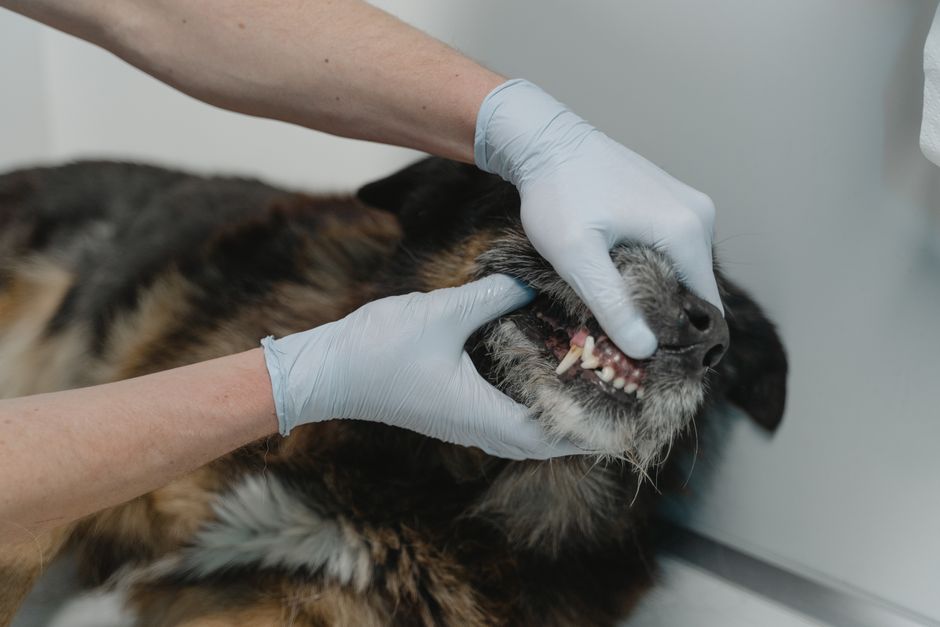
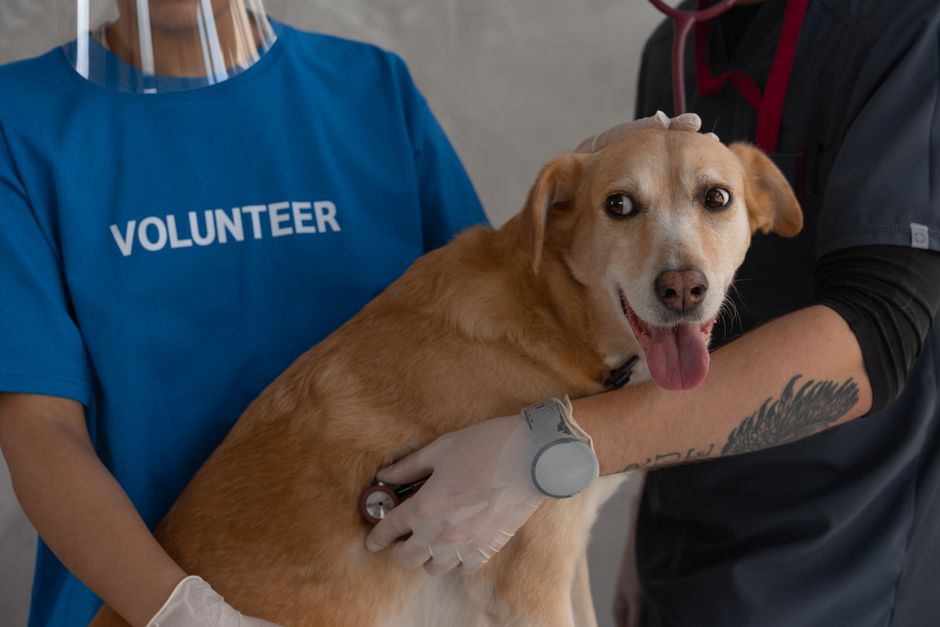
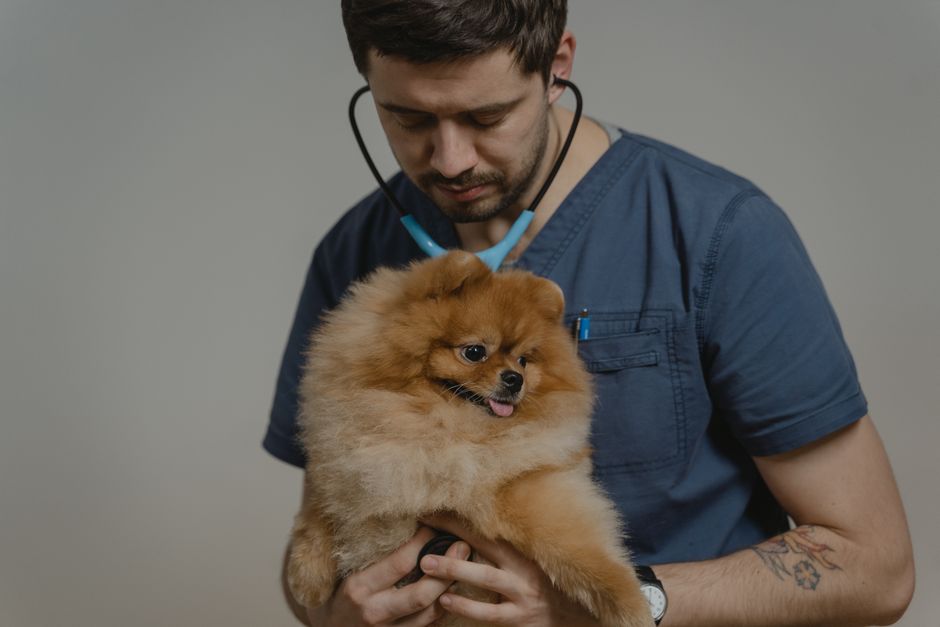
At Clear Creek Animal Hospital, heartworm testing is a straightforward and gentle process performed by our experienced veterinary team. For dogs, a heartworm test involves collecting a small blood sample and screening it for the presence of heartworm proteins, which indicate infection. The test is quick and results are typically available during your visit, allowing us to discuss next steps right away.
For cats, heartworm testing is a bit more complex, since cats may have only a few worms or even a single worm, and their immune response can vary. We may recommend a combination of blood tests to detect both heartworm proteins and antibodies, which can help us identify infection or exposure. Our goal is to provide clear answers and peace of mind, whether your cat spends time outside or is an indoor companion.
If you’re scheduling your pet’s next wellness examination, our team can help you determine the best timing for heartworm testing. For most dogs, annual testing is recommended—even if they are on preventive medication year-round. Cats should also be tested as part of their preventive care, especially if they spend any time outdoors or live in households with dogs.
Treating and Managing Heartworm Disease
If your dog or cat tests positive for heartworm disease, it’s important to know that prompt veterinary care offers the best chance for recovery. In dogs, treatment usually involves a carefully managed protocol using medications to kill adult heartworms and larvae, along with supportive care to reduce complications. Treatment may take several months and requires close monitoring by our veterinary team, as the dying worms can cause inflammation and blockages in the heart and lungs.
Heartworm disease in cats is managed differently, since there are no approved medications to eliminate adult heartworms in felines. Instead, care focuses on stabilizing the cat, managing symptoms, and supporting lung and heart health while the worms die off naturally over time. In both species, early detection through regular heartworm testing allows us to catch the disease before serious damage occurs, giving your pet the best possible chance for a healthy life.
Our pet diagnostic laboratory services support accurate and timely heartworm testing, enabling us to quickly confirm results and tailor a treatment plan suited to your pet’s unique needs. Throughout the process, our veterinarians will keep you informed and provide compassionate guidance every step of the way.
Preventing Heartworm Disease: What Pet Owners Can Do
Prevention is always easier—and far less stressful—than treating heartworm disease. The most effective way to protect your dog or cat is through consistent use of veterinarian-approved heartworm preventives. These medications, given monthly, are highly effective when administered as directed. Our veterinary team can recommend the best preventive for your pet based on their age, weight, lifestyle, and any other health conditions.
In addition to medication, regular heartworm testing is essential, even if your pet is on preventive year-round. Annual testing ensures that your dog or cat has not become infected in the event of a missed dose, vomiting after medication, or unusual exposure to mosquitoes. For households with both dogs and cats, it’s important to remember that while dogs are more commonly affected, cats can also suffer from heartworm disease and should be included in your prevention plan.
Other practical steps to reduce risk include minimizing standing water around your home where mosquitoes breed, using screens to keep insects out, and limiting your pet’s outdoor activity during peak mosquito hours—typically dawn and dusk. Your commitment to prevention, combined with our veterinary guidance, creates the best defense against heartworm disease in Charlotte’s climate.
When to Schedule Heartworm Testing and Seek Veterinary Care
Knowing when to schedule heartworm testing for your pet can feel confusing, especially with so many sources of information online. As a general rule, all dogs should be tested for heartworm disease once a year, regardless of whether they are on monthly preventives. Puppies can usually begin testing at around seven months of age, as it takes several months for heartworm infection to become detectable after exposure.
Cats should be tested based on their risk factors and exposure history, but annual screening is recommended for most. If your pet has missed a dose of preventive medication, vomited after taking a dose, or has spent time in a high-mosquito environment, testing may be needed sooner. If you notice symptoms such as coughing, fatigue, loss of appetite, or difficulty breathing, schedule an appointment with our team right away for a thorough evaluation.
Our veterinarians are here to answer your questions and provide clear recommendations tailored to your pet’s health and lifestyle. If you are unsure about the timing of your pet’s next heartworm test or have concerns about symptoms, don’t hesitate to reach out to us for guidance.
Your Partner in Heartworm Prevention: Clear Creek Animal Hospital in Charlotte
Protecting your dog or cat from heartworm disease is a year-round responsibility, but you don’t have to do it alone. At Clear Creek Animal Hospital, our team of compassionate veterinarians is dedicated to making preventive care easy and stress-free. We offer comprehensive wellness plans that include heartworm testing, vaccinations, and routine checkups—helping you stay ahead of health risks before they become problems.
If you’re searching for a reliable "vet near me" in Charlotte or nearby communities, you can trust our veterinary professionals to provide the expertise, technology, and gentle care your pet deserves. We invite you to schedule your pet’s heartworm testing and take a proactive step toward a longer, healthier life for your beloved companion.
To book your appointment, call us at (704) 537-8405 or visit us in person at 9336 Parkton Rd, Charlotte, NC 28215. Our doors are open to pets from Charlotte and the surrounding communities, and we look forward to helping your dog or cat stay happy, healthy, and heartworm-free all year long.
This blog is intended for informational purposes only. For specific medical concerns or if you suspect your pet may have heartworm disease, please consult with a licensed veterinarian.