How to Protect Your Pet From Fleas and Ticks in Charlotte

How to Protect Your Pet From Fleas and Ticks in Charlotte
As summer turns to fall in Charlotte, many pet owners find themselves facing an unwelcome reality: fleas and ticks are still very much a threat to dogs and cats long after the hottest days have passed. At Clear Creek Animal Hospital, our veterinary team understands just how frustrating and uncomfortable flea and tick problems can be for both pets and their families. Whether your dog loves exploring local parks or your indoor cat mysteriously starts scratching, these tiny parasites can cause big problems if left unchecked. In this blog, we will help you recognize the signs of flea and tick infestations, explain why these pests are common in North Carolina, share practical prevention tips, and discuss how our veterinarians in Charlotte, NC can help keep your pet healthy and itch-free all season long. If you are looking for gentle, personalized care and effective parasite prevention, our team is here to support you every step of the way.
How to Tell If Your Pet Has Fleas or Ticks
Fleas and ticks are stealthy parasites that often go unnoticed until your pet starts to show signs of discomfort. Early detection is key to preventing more serious health issues, so it is important to know what to look for. Symptoms suggesting your pet might have fleas include persistent scratching, chewing, or licking, especially around the tail base, abdomen, or behind the ears. You might also notice small, reddish-brown specks—commonly called “flea dirt”—on your pet’s skin or bedding, which is actually flea feces. In some cases, pets develop red, inflamed skin, hair loss, or even secondary skin infections due to constant irritation.
Ticks can be more difficult to spot, as they attach themselves directly to your pet’s skin and often hide in less visible areas like between the toes, inside the ears, or under the collar. Signs that your pet may have a tick include sudden tenderness when touched, a visible small bump on the skin, or excessive head shaking. Ticks can transmit diseases, so it is important to examine your pet regularly after outdoor activities, especially if you have been walking in wooded or grassy areas. If you notice any of these symptoms or find a tick attached to your pet, contact your veterinarian for next steps.
Why Fleas and Ticks Are a Problem in Charlotte
Charlotte’s warm, humid climate creates an ideal environment for fleas and ticks to thrive nearly year-round. Unlike colder regions where these parasites become dormant in winter, North Carolina’s relatively mild temperatures mean that pets are at risk of encountering fleas and ticks throughout the fall and even into early winter. Local wildlife such as squirrels, raccoons, and deer can carry these pests into backyards and neighborhoods, increasing the likelihood that pets will be exposed—even if they spend most of their time indoors.
Fleas reproduce rapidly; a single female flea can lay up to 50 eggs per day, quickly leading to a full-blown infestation. Ticks can be active in any season where temperatures rise above freezing, and certain species common in our region, such as the American dog tick and the brown dog tick, are especially resilient. Both fleas and ticks can transmit serious diseases to pets, including Lyme disease, ehrlichiosis, and flea allergy dermatitis. Understanding the environmental risks in Charlotte and the surrounding communities helps pet owners stay one step ahead of these parasites.
Professional Treatment and What to Expect at the Veterinary Clinic
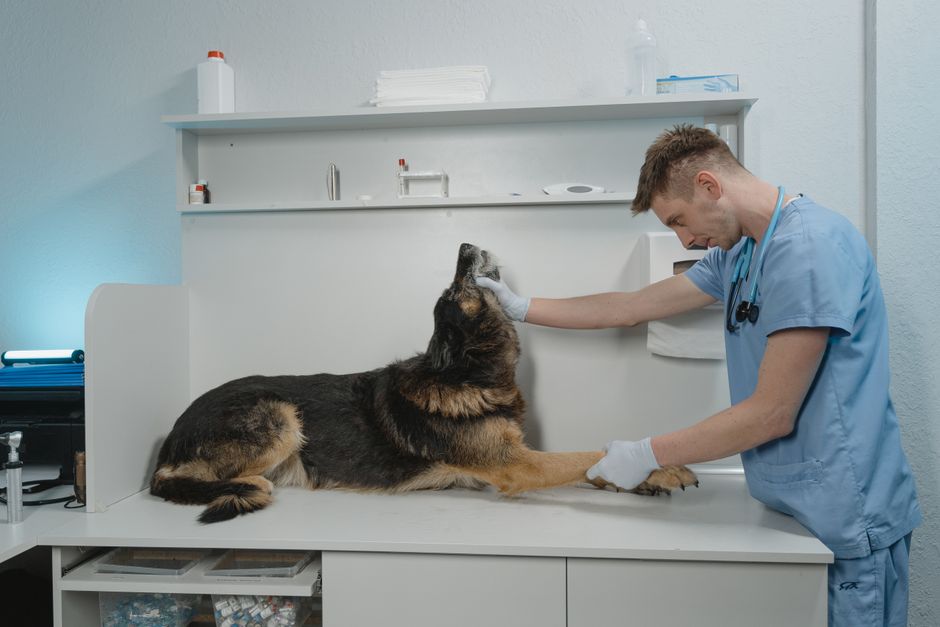
When you bring your pet to Clear Creek Animal Hospital for concerns about fleas or ticks, our team will begin with a thorough physical examination. We look for visible parasites, signs of skin irritation, and evidence of secondary infections. Diagnostic tests may be recommended if your pet is showing signs of illness, such as lethargy or fever, to rule out tick-borne diseases or other complications.
Treatment plans often involve prescription-strength flea and tick preventives, which are much more effective than over-the-counter products. These may include topical solutions, oral medications, or specialized collars, depending on your pet’s needs and lifestyle. If your pet has developed a skin infection or is experiencing severe itching, our veterinarians may also recommend additional therapies such as medicated shampoos or anti-itch medications. For pets with chronic skin issues or allergies triggered by parasites, our veterinary dermatology services can provide targeted relief and long-term management options.
Our team will also discuss how to address environmental contamination, since fleas and their eggs can persist in carpets, bedding, and outdoor spaces. We guide you through the process of cleaning your home and yard to break the flea life cycle and prevent reinfestation.
Preventing Fleas and Ticks at Home
Consistent prevention is the best way to protect your dog or cat from fleas and ticks in Charlotte. Our veterinarians recommend year-round use of veterinarian-approved flea and tick preventives tailored to your pet’s age, health, and lifestyle. Never rely solely on home remedies or unverified products, as these can be ineffective or even dangerous.
Regular grooming and bathing can help you spot early signs of parasites, while frequent vacuuming and washing of your pet’s bedding helps reduce the risk of infestation. For outdoor dogs and cats, keeping lawns trimmed and minimizing brush piles or tall grasses in your yard can reduce tick habitat. If you have multiple pets, it is important to treat all animals in the household at the same time to prevent ongoing transmission.
Routine wellness examinations are also an essential part of parasite prevention. During these visits, your veterinarian can assess your pet’s overall health, review your current prevention plan, and recommend adjustments based on local parasite risks and your pet’s changing needs. Enrolling in one of our comprehensive wellness plans offers a convenient way to stay on top of parasite prevention, vaccinations, and other essential care throughout the year.
When to Call the Veterinarian
There are certain situations where prompt veterinary attention is essential for your pet’s health and comfort. If your dog or cat is experiencing intense itching, hair loss, open sores, or signs of infection such as redness or foul odor, schedule an appointment as soon as possible. Pets who develop sudden lethargy, weakness, lameness, or appetite changes after potential tick exposure may be showing signs of a tick-borne illness and should be evaluated by a veterinarian right away.
Additionally, if you are struggling to control fleas or ticks with over-the-counter products or if you are unsure which prevention method is safest and most effective for your pet, our veterinary team is here to help. Remember that early intervention not only relieves your pet’s discomfort but also helps prevent more serious health complications down the road.
If you notice skin issues that do not improve or if your pet seems persistently uncomfortable, our dermatology services can provide more advanced diagnostics and treatment options tailored to your pet’s unique needs.
Supporting Your Pet’s Health All Year Long
Fleas and ticks are a year-round concern in Charlotte, but with the right prevention strategies and veterinary support, you can keep your pet comfortable and healthy no matter the season. Regular checkups, effective parasite preventives, and prompt attention to any signs of discomfort are the keys to staying ahead of these common pests.
At Clear Creek Animal Hospital, our veterinarians are dedicated to providing gentle, personalized care for every dog and cat we see. If you are searching for a trusted "vet near me" for flea and tick prevention or treatment, our Charlotte, NC location is here to serve you and your pets.
If you are ready to schedule a wellness exam, update your pet’s parasite prevention, or have questions about your pet’s risk, reach out to our veterinary professionals today. Call (704) 537-8405 or visit us during business hours to book your appointment. Let our team at Clear Creek Animal Hospital help your pet enjoy an itch-free, healthy season—because your pet’s comfort and wellbeing matter to us every day.
Medical Disclaimer: The information in this blog is intended for educational purposes only and does not substitute for professional veterinary advice. If you have concerns about your pet's health, please contact your veterinarian for personalized recommendations.