Holiday Pet Safety Tips for Cold, Wet North Carolina Winters

Holiday Pet Safety Tips for Cold, Wet North Carolina Winters
As the holiday season approaches and winter settles over Charlotte, pet owners face unique challenges in keeping their furry companions safe and comfortable. Cold, rainy weather can bring a host of seasonal hazards, from chilly walks to festive household dangers. At Clear Creek Animal Hospital, located at 9336 Parkton Rd, Charlotte, NC 28215, our veterinary team is committed to helping pets in Charlotte and surrounding communities enjoy a healthy, stress-free holiday. This guide shares essential holiday pet safety tips with a focus on winter pet care in North Carolina, including how to spot seasonal risks, protect your pet indoors and outdoors, and know when to seek professional care.
Whether you need advice for preventing cold-weather injuries or are searching for quality veterinary services near me, you’ll find practical guidance that puts your pet’s wellbeing first. We’ll also highlight the importance of regular wellness examinations, which are especially valuable during periods of seasonal change. If your pet needs a checkup before the holidays, our comprehensive wellness exams in Charlotte are the first step toward year-round health.
Recognizing Holiday and Winter Hazards for North Carolina Pets
The winter months in Charlotte bring cold rain, gusty winds, and sudden temperature drops, all of which can pose risks to pets. Holiday festivities add another layer of potential challenges. Recognizing when your pet is at risk is the first step in effective winter pet care in North Carolina.
Common Cold and Holiday Hazards
Warning signs that your pet may be struggling with the winter season include shivering, reluctance to go outside, limping or licking their paws after walks, and changes in energy levels. Additionally, some pets become more anxious due to bustling holiday gatherings, noisy decorations, and the presence of unfamiliar guests. Signs of holiday-related stress can range from hiding and vocalizing to refusing food.
Other risks to watch for are hypothermia and frostbite, which are rare but possible during particularly cold snaps. Symptoms of these conditions include cold extremities, pale or bluish skin, and general lethargy. Holiday-specific hazards involve chewing on electrical cords from lights, ingesting toxic seasonal plants like poinsettias or holly, and sampling rich human foods that can upset their stomach or trigger pancreatitis.
Recognizing these warning signs early will help you intervene before a minor issue becomes a serious health concern. If your pet is showing signs of distress or sickness that do not quickly resolve, it is time to reach out to your veterinarian near me.
Why Winter and Holiday Conditions Affect Pet Health
Understanding the reasons behind these seasonal risks can help you prepare and prevent problems before they start. Winter in North Carolina can be unpredictable; while snow is rare, cold rain and dampness can chill pets to the bone. Short-haired or small breed dogs, puppies, elderly pets, and those with chronic health conditions are especially prone to cold-related discomfort.
Moisture from rain can lead to skin irritation, particularly between toes or under the belly, and increases the risk of infections for pets with sensitive skin. The use of ice-melting chemicals on sidewalks and driveways can irritate paws and may be toxic if licked off during grooming.
Holiday celebrations introduce additional hazards. The excitement and activity can overwhelm even the most social pets, making it easier for them to slip outside unnoticed or interact with unsafe foods, decorations, or gifts. Many common holiday treats, such as chocolate, grapes, and fatty meats, are toxic to dogs and cats. Decorations with tinsel, ribbons, or small ornaments may cause choking or intestinal blockages if swallowed.
Allergy flare-ups are another concern, as pets may react to new household plants, scented candles, or increased dust from holiday preparations. If you notice your pet scratching more often or developing red, irritated skin, consider allergy testing services in Charlotte to pinpoint the cause and provide relief.
Winter and Holiday Pet Care: Treatment and Professional Support
When your pet encounters a winter or holiday-related health issue, prompt professional care can make all the difference. At Clear Creek Animal Hospital, our veterinary team is equipped to diagnose and treat a wide range of seasonal conditions, from skin irritations to gastrointestinal upset.
How We Help Pets Stay Healthy in Winter
Treatment approaches for cold-weather injuries or illnesses begin with a thorough examination. For pets showing signs of skin irritation or allergic reactions, our veterinary dermatology services in Charlotte can identify and address underlying causes. If a pet ingests something potentially toxic, our veterinary professionals may recommend diagnostic tests or, in severe cases, surgical intervention to remove foreign objects.
For dogs and cats suffering from gastrointestinal symptoms after eating holiday foods, supportive treatments include medications to soothe the digestive tract, hydration therapy, and dietary adjustments. If your pet is struggling with cold-related pain or stiffness, particularly in older pets with arthritis, we may suggest anti-inflammatory medications or lifestyle changes to keep them comfortable through the season.
Preventive care is an integral part of our approach. Regular wellness examinations allow us to monitor for early signs of seasonal conditions and offer tailored advice for winter pet care in North Carolina. Our wellness plans help ensure your pet receives the right vaccines and parasite prevention needed for the colder, wetter months.
Preventing Seasonal Hazards and Keeping Your Pet Comfortable
Prevention is always preferable to treatment, especially when it comes to holiday pet safety tips for Charlotte’s winter. Simple changes at home and during outdoor activities can protect your pet from the most common risks.
Indoor Comfort and Safety Measures
To keep your pet cozy indoors, provide a warm, draft-free resting spot away from doors and windows. Limit access to holiday decorations, especially electrical cords, tinsel, and small ornaments, by placing them out of reach or in rooms your pet cannot enter. Store seasonal plants where pets cannot nibble them. If you host holiday gatherings, offer your pet a quiet retreat with their favorite bedding and toys.
Supervise interactions with guests, especially children who may not know how to safely handle pets. Discourage friends and family from feeding pets table scraps; instead, keep a stash of pet-safe treats on hand for positive reinforcement and inclusion.
Outdoor Winter Care
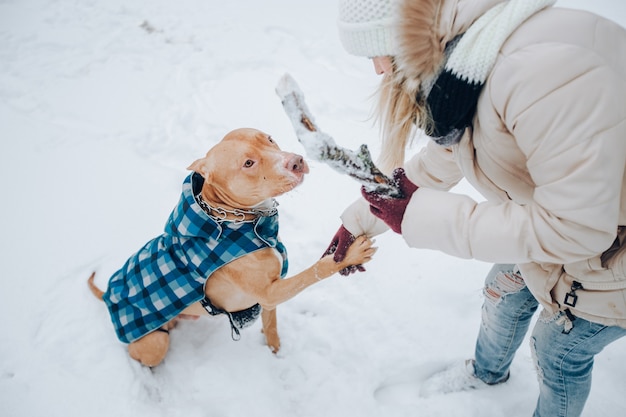
When venturing outside, ensure your pet is properly outfitted for the weather. Short walks during the coldest days are safer, and a fitted coat or sweater can make a big difference for small or short-haired breeds. After walks, dry your pet thoroughly and check their paws for cracks, redness, or stuck debris. Rinsing paws after exposure to sidewalk salts or ice-melting chemicals prevents irritation and ingestion.
Never leave pets unattended in vehicles during cold weather, as temperatures can drop quickly. For dogs who enjoy outdoor play, always supervise and limit time outside during rain or wind. If your pet shows signs of discomfort such as shivering, immediately bring them inside to warm up.
Regular preventive care, including up-to-date pet vaccinations, helps protect against contagious diseases that are more common in colder months when pets may have increased indoor contact with others, such as at boarding facilities or dog parks.
When to Seek Veterinary Care for Winter and Holiday Issues
Even with the best preparations, winter and holiday emergencies can happen. Knowing when to consult your veterinarian can save your pet from serious complications.
Clear signs that your pet needs immediate attention include persistent vomiting or diarrhea, suspected ingestion of toxic plants, foods, or decorations, and any evidence of hypothermia such as pale gums or severe lethargy. If your pet develops sudden skin irritation, swelling, or signs of an allergic reaction, contact our veterinarians for prompt assessment.
Other reasons to seek care include unexplained lameness, ongoing cough or respiratory distress, or behavioral changes that may indicate pain or illness. For ongoing management of seasonal allergies, unresolved skin problems, or concerns about your pet’s ability to handle the winter weather, schedule a wellness examination to discuss customized preventive strategies.
Our team at Clear Creek Animal Hospital is dedicated to providing compassionate, thorough care for pets in Charlotte and surrounding communities. If you are searching for a vet near me who understands the unique challenges of winter pet care in North Carolina, we are here to help with both urgent concerns and ongoing prevention.
Keeping Your Pet Safe and Happy This Holiday Season
The holidays should be a joyful time for every member of your family, including your pets. By being proactive with these holiday pet safety tips and staying alert to the special risks that come with cold, wet North Carolina winters, you can enjoy the season with confidence. Remember to provide a warm, safe space indoors, monitor outdoor time, and keep tempting but dangerous holiday foods and decorations out of reach.
If you have any questions about your pet’s winter wellness or want to establish a personalized preventive care plan, we encourage you to schedule an appointment with our veterinary team. Our wellness examinations in Charlotte are designed to address seasonal needs and keep your pet healthy year-round. For everything from routine checkups to advanced dermatology and allergy testing, our veterinary professionals are ready to support your pet’s wellbeing.
Contact Clear Creek Animal Hospital at (704) 285-2736 to schedule your visit, or stop by our convenient Charlotte location. We are proud to be the quality vet near me that local families trust for winter pet care in North Carolina and beyond.
This article is for informational purposes only and does not replace professional veterinary advice. For specific concerns about your pet’s health, always consult with your veterinarian.