Keeping Pets Healthy in Cold, Damp Charlotte Winters


Keeping Pets Healthy in Cold, Damp Charlotte Winters
As winter settles over Charlotte and the surrounding communities, chilly temperatures and damp conditions can create new challenges for pet health. February brings cold rain, muddy paws, and the temptation for pets to spend more time indoors. At Clear Creek Animal Hospital, located at 9336 Parkton Rd, Charlotte, NC 28215, our veterinary professionals understand how the season can affect both dogs and cats. Whether you are concerned about your pet’s skin, joints, or respiratory health, our team is dedicated to providing gentle, personalized care at every visit. In this guide, you will find practical tips to help your pet stay happy and healthy throughout the winter months. We will cover how to recognize seasonal health problems, understand their causes, manage or treat them with professional help, and take preventive steps at home. If you are seeking a veterinarian near you for winter wellness, Clear Creek Animal Hospital is here to support you and your pet every step of the way.
Recognizing Winter Health Issues in Pets
Winter weather in Charlotte can be unpredictable. Some days bring icy rain and chilly winds, while others are milder but remain damp. These conditions can affect pets differently depending on their age, breed, health status, and lifestyle. As a pet owner, it is important to watch for changes in your pet’s behavior or appearance that may signal a health problem.
Common signs of winter-related health concerns include dry, flaky, or irritated skin; increased scratching or licking; limping, stiffness, or reluctance to rise after resting; occasional coughing or sneezing; and changes in appetite or energy levels. Some pets may develop red or irritated paws from salt or cold surfaces, while others may start to show signs of respiratory discomfort. If your dog or cat seems more lethargic, is shivering, or avoids going outside, these could also be indicators that the cold is affecting their wellbeing. In senior pets, joint pain or stiffness often becomes more noticeable when temperatures drop.
It is also important to keep an eye out for less obvious symptoms, such as changes in your pet’s coat quality or a dullness in the eyes. Pets with existing health problems may be more vulnerable to the effects of cold, damp weather. If you notice any of these changes, a wellness examination with our veterinary team can help determine the cause and support your pet’s comfort throughout the season.
Why Cold and Damp Weather Impacts Pet Health
Charlotte’s winters may not bring heavy snow, but the combination of cold air and high humidity can be tough on pets. Shorter days and wet ground mean less time outdoors for exercise and sunlight, which can lead to boredom and increased risk of weight gain. Damp conditions can also trigger or worsen skin problems, especially in pets prone to allergies or sensitive skin. When fur gets wet and does not dry quickly, bacteria and yeast can thrive, leading to skin infections or “hot spots.”
For pets with arthritis or joint conditions, cold temperatures often make stiffness and discomfort worse. Joints respond to barometric pressure changes and lower temperatures by becoming more inflamed, which can cause limping or reluctance to move. Additionally, older pets or those with chronic health issues may find it harder to maintain their body temperature, making them more susceptible to hypothermia during cold snaps.
Respiratory problems can also arise in winter, particularly when pets are exposed to drafts or spend time in damp environments. Dry indoor air, caused by heating systems, may irritate airways and worsen coughing in pets with pre-existing respiratory conditions. Conversely, increased time indoors with less ventilation can make it easier for contagious viruses to spread between pets.
Understanding these risk factors is crucial for taking the right steps to keep your pet healthy and comfortable during Charlotte’s winter months.
Professional Treatment and Management for Winter Illnesses
When winter health problems develop, professional veterinary care is essential to diagnose and treat the underlying cause. At Clear Creek Animal Hospital, our veterinarians offer a comprehensive range of services designed to address the unique challenges of the season.
For skin issues, such as dryness, itching, or hot spots, our dermatology services allow for in-depth evaluation and customized treatment plans. These may include medicated shampoos, topical therapies, or adjustments to your pet’s diet and environment. If your pet’s symptoms suggest an underlying allergy, we can perform allergy testing to identify triggers and recommend strategies for relief.
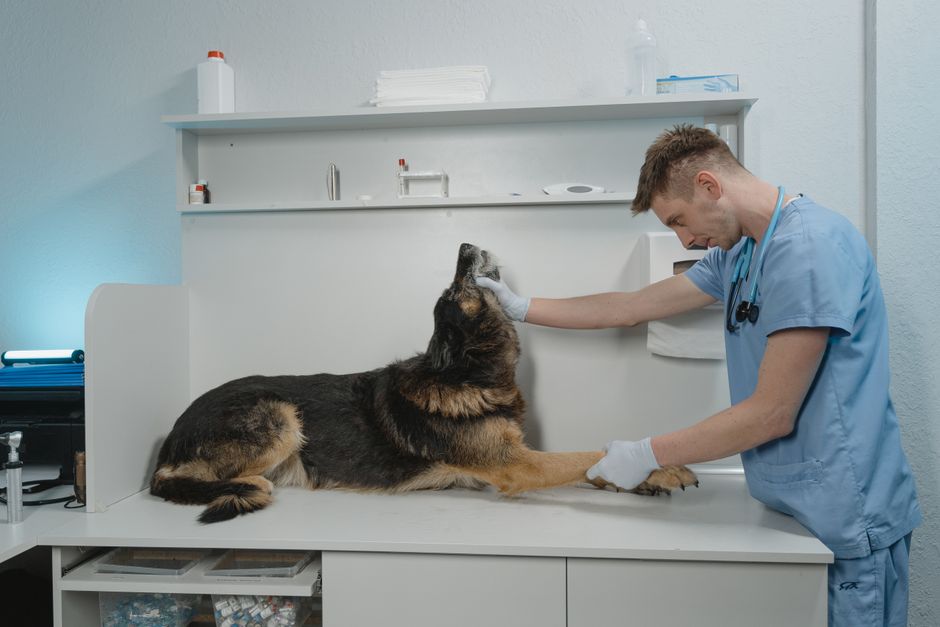
Joint pain or mobility concerns are managed through a combination of physical exams, advanced digital radiology, and tailored treatment plans. Our veterinary professionals may suggest supplements, pain management medications, or therapeutic exercises that can help reduce stiffness and improve your pet’s quality of life. In some cases, more advanced interventions may be necessary, and our team will guide you through every option.
Respiratory symptoms are addressed with a thorough diagnostic approach. Our pet diagnostic laboratory enables us to quickly identify infections, monitor chronic conditions, and ensure your pet receives the right medications or supportive care.
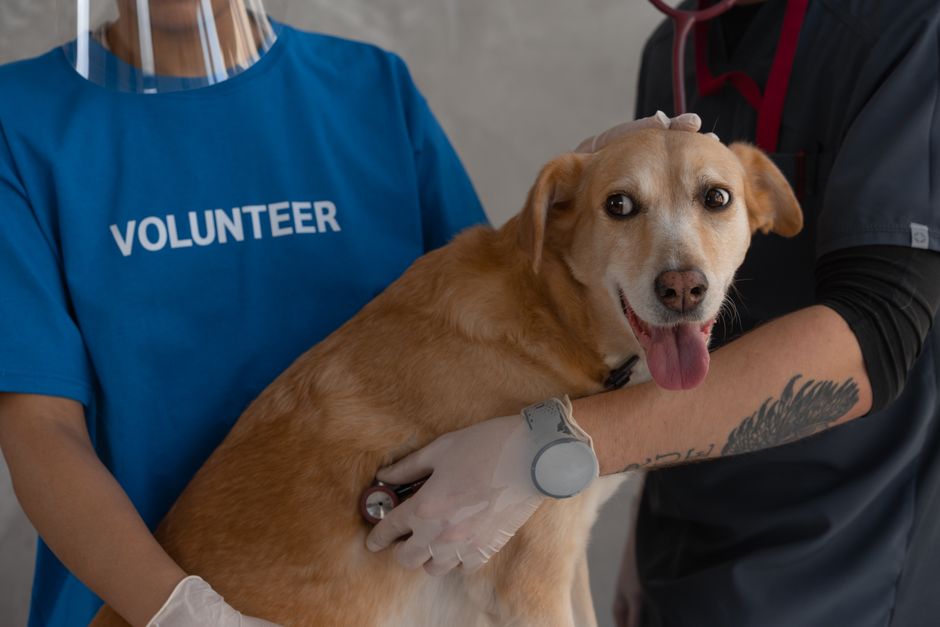
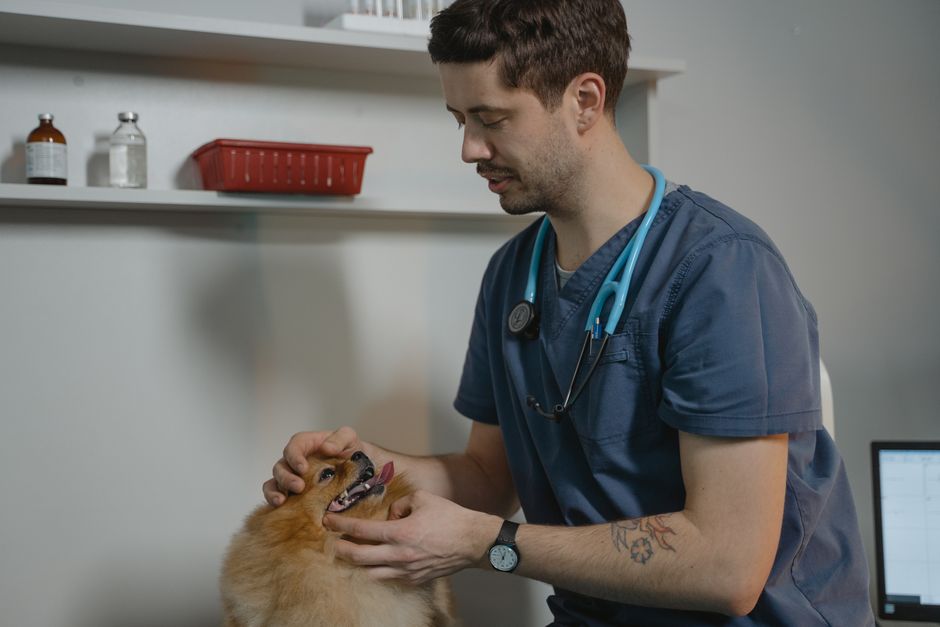
If you are concerned about your pet’s overall health this winter, scheduling a wellness examination is one of the best steps you can take. Regular check-ups allow our team to catch emerging issues early and provide personalized recommendations for your dog or cat.
Home Care and Prevention: Keeping Your Pet Comfortable
There are many practical steps you can take at home to support your pet’s wellbeing during Charlotte’s colder months. First, make sure your pet has a warm, dry place to rest indoors, away from drafts and dampness. Washing and thoroughly drying your pet’s paws after walks helps prevent irritation from salt, mud, or moisture. Regular grooming is also important during winter, as it helps distribute natural oils and keeps the coat healthy. Brushing your pet more frequently can reduce shedding and support skin health.
Nutrition plays a key role in maintaining healthy skin and joints. Discuss your pet’s diet with our veterinarians to ensure it contains the right balance of nutrients and, if needed, supplements such as omega-3 fatty acids. Adjusting feeding amounts may be necessary if your pet’s activity level drops during winter.
Exercise is still important, even when it is cold or wet outside. Short, frequent walks or indoor play sessions can help maintain muscle tone, support joint health, and prevent weight gain. For pets with joint issues, gentle activities and warm-up routines before going outside can make a difference.
If your pet has been diagnosed with allergies or skin sensitivities, minimizing exposure to potential triggers, such as damp leaves or certain cleaning products, may help reduce flare-ups. Using a humidifier in your home can also be beneficial, as it helps counteract dry air from heating systems.
Staying up-to-date with recommended vaccination services is another essential preventive step, as winter can be a time when contagious illnesses circulate more easily among pets.
When to Seek Veterinary Care for Winter Concerns
While many winter health issues can be managed at home with attentive care, there are times when professional help is necessary. If you notice that your pet’s symptoms are worsening, not improving, or accompanied by fever, difficulty breathing, significant lethargy, or loss of appetite, it is important to reach out to our veterinary team promptly.
Other warning signs that warrant a veterinary visit include persistent limping, severe skin irritation, open sores, unexplained weight loss, or changes in urination and drinking habits. Senior pets, those with chronic conditions, or pets with a history of allergies or respiratory problems should be monitored closely during the colder months.
Scheduling a wellness examination allows our veterinarians to thoroughly assess your pet’s health, address any concerns, and provide tailored recommendations for winter care. If you ever feel uncertain about your pet’s symptoms, our team is always available to guide you on the best course of action.
Conclusion: Your Partner in Winter Pet Wellness
Charlotte winters may be damp and chilly, but with the right care and attention, your pet can enjoy the season in comfort and good health. By watching for signs of skin, joint, or respiratory issues, providing a warm and safe home environment, and staying proactive with regular veterinary visits, you help ensure your pet’s wellbeing year-round.
At Clear Creek Animal Hospital, our veterinarians are committed to gentle, personalized care for every pet we see. Whether you are looking for routine wellness support, help with a specific seasonal concern, or guidance on preventive care, we are here to help. If you are searching for a vet near me who understands the unique needs of Charlotte pets in winter, our experienced team is just a phone call away.
To schedule an appointment or ask about our wellness services, contact Clear Creek Animal Hospital at (704) 285-2736 or visit our website to learn more about our wellness plans. We look forward to helping your pet thrive this winter and beyond.
This article is intended for informational purposes only and does not replace professional veterinary advice. If you have concerns about your pet’s health, please consult our veterinarians or seek immediate care as needed.