Do I Need a Vet’s Help Preventing Cat Dental Disease?

Do I Need a Vet’s Help Preventing Cat Dental Disease?
As a cat owner, you want your feline companion to enjoy a comfortable, healthy life at home. Yet, when it comes to dental care, many pet owners wonder: how can I tell whether I need professional help with preventing dental disease in a cat? At Clear Creek Animal Hospital here in Charlotte, our team understands how confusing cat dental health can be. You brush your cat’s teeth when you can and try to offer dental treats, but is that enough to keep their mouth pain-free? In this blog, we’ll help you recognize the signs that your cat may need more than home care, explain what causes dental problems in cats, discuss how professional veterinary dental services support oral health, and guide you on when it’s time to schedule a dental checkup. If you’re searching for answers about your cat’s dental care in Charlotte and surrounding communities, you’re in the right place. Our goal is to provide gentle, personalized support for you and your cat every step of the way.
How Can I Tell Whether I Need Professional Help With Preventing Dental Disease in a Cat?
Knowing when your cat’s dental care requires a veterinarian’s expertise can be challenging. Many cat owners assume that if their cat is eating and not showing obvious pain, everything must be fine. However, cats are experts at hiding discomfort. If you find yourself asking, “how can I tell whether I need professional help with preventing dental disease in a cat?” there are several subtle signs and situations to watch for that indicate your cat’s mouth needs more than just home care.
Recognizing the Signs of Dental Disease in Cats
Dental disease in cats often starts silently. Early warning signs can include persistent bad breath that lingers even after brushing, yellow or brown buildup on the teeth (tartar), red or swollen gums, and drooling. You might also notice your cat pawing at their mouth, showing reluctance to eat crunchy food, dropping food from their mouth while eating, or even vocalizing when eating or grooming. Other symptoms can be less obvious, such as changes in grooming habits, a matted coat due to mouth discomfort, or changes in behavior like hiding more than usual.
Cats rarely show pain the way people do. This means dental issues can progress for months or even years before owners realize there’s a problem. If you notice any of these changes, it’s time to schedule a dental evaluation with our veterinary team. You can learn more about what a professional cat dental exam involves on our veterinary dentistry services page.
Understanding Why Dental Disease Develops in Cats
Dental disease in cats is common, affecting a large percentage of adult cats by the age of three. The main culprit is plaque—a sticky film of bacteria that builds up on teeth. If not removed, plaque hardens into tartar, which irritates the gums and leads to gingivitis (inflammation of the gums). Over time, this process can progress to periodontitis, a painful condition where the structures that support the teeth break down, leading to tooth loss.
Several factors make some cats more prone to dental issues. Genetics play a role, with certain breeds predisposed to gum problems. Diet is another factor; cats who eat mostly soft or wet food may have more plaque buildup than those who eat dry kibble. Other contributors include poor alignment of teeth, immune system conditions, and a lack of regular dental care at home.
Environmental factors specific to Charlotte’s climate and the surrounding region can also play a part. Humid environments may encourage bacterial growth, while regional allergens can contribute to inflamed gums. Understanding these causes helps pet owners see why home care alone sometimes isn’t enough.
What Professional Dental Care Involves for Cats
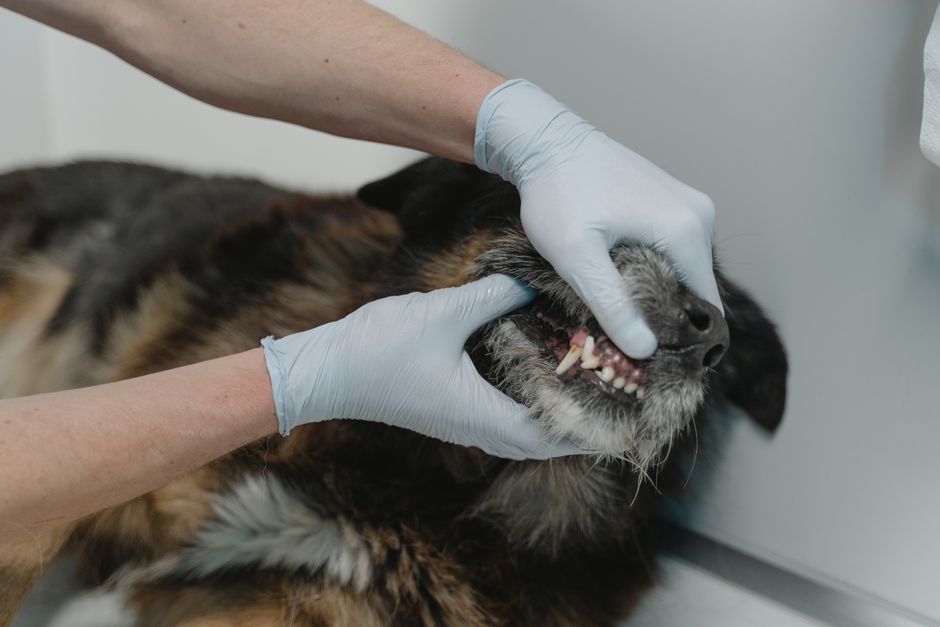
If you’re wondering how can I tell whether I need professional help with preventing dental disease in a cat, it’s important to know what professional care entails and why it’s so effective. Veterinary dental care goes far beyond what’s possible at home. During a dental checkup, our veterinarians perform a thorough oral exam—often under light sedation for your cat’s comfort and safety. This allows us to examine each tooth, assess the gums, and check for signs of hidden pain or infection.
Professional dental cleanings use specialized ultrasonic scalers and hand tools to remove plaque and tartar from both above and below the gumline. This is essential because the most harmful bacteria often hide where toothbrushes and treats can’t reach. After cleaning, teeth are polished to smooth surfaces and slow future buildup. In some cases, dental radiographs are recommended to look for problems beneath the surface, such as tooth root abscesses or bone loss. You can discover more about our pet teeth cleaning services and dental radiography for cats to understand how these steps help protect your cat’s smile.
If dental disease is already advanced, our veterinary professionals can provide additional treatments like tooth extractions or dental surgery as needed, always focusing on your cat’s comfort and long-term health. Our gentle approach minimizes stress for your cat and ensures you receive clear, compassionate updates every step of the way.
At-Home Prevention: What You Can Do to Support Your Cat’s Dental Health
Professional dental care and home care work hand-in-hand. While regular veterinary dental exams and cleanings are the gold standard, daily or weekly home care makes a real difference in your cat’s oral health. Brushing your cat’s teeth with pet-safe toothpaste is one of the most effective steps you can take. Start slowly, using a soft-bristled brush or a finger brush, and reward your cat for cooperation. If brushing is a struggle, dental wipes or water additives can help reduce plaque.
Dental diets, treats, and toys designed to promote oral health may also be recommended. These products work by mechanically cleaning the teeth or by altering the chemical environment in the mouth to slow plaque formation. Always choose products approved by the Veterinary Oral Health Council (VOHC) and ask our team if you have questions about what’s right for your cat.
Keep in mind that no home care routine can remove tartar once it has hardened or address problems below the gumline. This is why annual dental exams at Clear Creek Animal Hospital are so important. Our professional dental care services complement your efforts at home, helping your cat enjoy a happier, healthier life.
When Is It Time to Seek Veterinary Dental Care?
So, how can I tell whether I need professional help with preventing dental disease in a cat, especially if I’m already brushing and using dental treats? The answer is that any time you notice signs of dental disease—such as bad breath, visible tartar, red gums, drooling, or changes in eating behavior—it’s time to book an appointment. Even if your cat seems fine, annual dental checkups are strongly recommended for all adult cats. Senior cats, or those with a history of dental issues, may need more frequent monitoring.
If your cat stops eating, cries out when eating, bleeds from the mouth, or develops a swelling along the jawline, these are urgent situations that need prompt veterinary attention. Dental disease not only causes pain but can also lead to infections elsewhere in the body, affecting the heart, liver, or kidneys. Early intervention by our veterinary team prevents small problems from becoming serious health risks.
At Clear Creek Animal Hospital, we believe in proactive care. Our veterinarians will partner with you to develop a dental health plan tailored to your cat’s unique needs, supporting both prevention and treatment. If you live in Charlotte or any of the surrounding communities, our convenient location on Parkton Rd makes regular dental visits easy and stress-free.
Take the Next Step Toward a Healthier Smile for Your Cat
Caring for your cat’s teeth is one of the most important ways to protect their overall health and comfort. While home care goes a long way, professional veterinary dental checkups and cleanings are essential for preventing painful problems and catching disease early. If you’re still wondering how can I tell whether I need professional help with preventing dental disease in a cat, the best answer is to schedule a dental exam and let our veterinary professionals assess your cat’s unique needs.
Our compassionate team at Clear Creek Animal Hospital is dedicated to making every visit gentle and personalized for your feline friend. We encourage you to reach out if you have questions, want to discuss your cat’s dental care routine, or are ready to book a dental checkup. When searching for a veterinarian near me, trust the local experts committed to your cat’s lifelong wellbeing. Call us at (704) 537-8405 or stop by our convenient Charlotte location to get started. For more information on how our veterinary dentistry services can help your cat, visit our website today.
This blog provides general information and is not a substitute for veterinary advice. Schedule an appointment with a licensed veterinarian for a thorough dental evaluation tailored to your cat’s specific needs.