Why Your Dog Needs a Thorough Dental Exam Every Year

Why Your Dog Needs a Thorough Dental Exam Every Year
If you’ve ever caught a whiff of your dog’s breath and wondered if it’s normal, you’re not alone. Many pet owners in Charlotte and surrounding communities worry about their dog’s oral health, especially when they notice bad breath or changes in eating habits. At Clear Creek Animal Hospital, our team understands how important a healthy mouth is for your dog’s overall wellbeing. That’s why we recommend a professional dog dental exam every year. This routine check not only keeps your dog comfortable and happy but also helps prevent dental disease before it leads to more serious health issues.
In this blog, we’ll explore why annual dental exams are so important, what happens during a professional evaluation, and how you can spot early warning signs at home. You’ll also learn how regular dental care at Clear Creek Animal Hospital can prevent costly problems and support your dog’s long-term health. If you’re curious about what to expect or want to know how to get started, you’re in the right place. Our veterinarians are here to answer your questions and provide gentle, personalized care right here in Charlotte.
Recognizing When Your Dog Needs a Dental Exam
Many dental problems in dogs develop gradually, making it easy for owners to miss early signs. However, catching these issues early is key to preventing discomfort and avoiding more complex treatments down the road. Common warning signs that your dog may need a dental exam include persistent bad breath, visible tartar and discoloration on the teeth, red or bleeding gums, reluctance to chew toys or eat hard food, and pawing at the mouth or face. Additionally, you might notice your dog dropping food or showing sensitivity when their face is touched. Some dogs become less playful or seem irritable due to oral pain.
It’s important to remember that dogs are experts at hiding discomfort. Even if your dog seems fine, dental disease can progress beneath the surface. That’s why an annual dog dental exam by a veterinarian is crucial for every dog, regardless of age or breed. During a routine visit at Clear Creek Animal Hospital, our veterinary team will look for subtle changes that might indicate the early stages of periodontal disease or other oral problems.
Why Dental Problems Develop in Dogs
Understanding the causes of dental issues helps pet owners in Charlotte take proactive steps for their dogs. Dental disease in dogs usually begins with the buildup of plaque, a soft film of bacteria that sticks to the teeth after eating. Over time, this plaque hardens into tartar, which can only be removed with professional cleaning. As tartar accumulates, it irritates the gums, leading to inflammation (gingivitis) and eventually to periodontal disease. Left untreated, this process can cause the gums to recede, teeth to loosen, and infection to develop below the gumline.
Several factors contribute to dental disease in dogs. Breed plays a role; small breeds and those with crowded teeth are especially prone to tartar buildup. Diet is also a factor—dogs that eat mostly soft food or don’t chew on dental-safe toys may develop problems more quickly. Age is another consideration, as dental disease becomes more common as dogs get older. Certain medical conditions, such as diabetes, can make dental issues worse.
Environmental factors in North Carolina, such as humidity and pollen, might also influence oral health. Allergies can impact gum health, making regular dental checks even more important for dogs living in this region.
What Happens During a Professional Dog Dental Exam
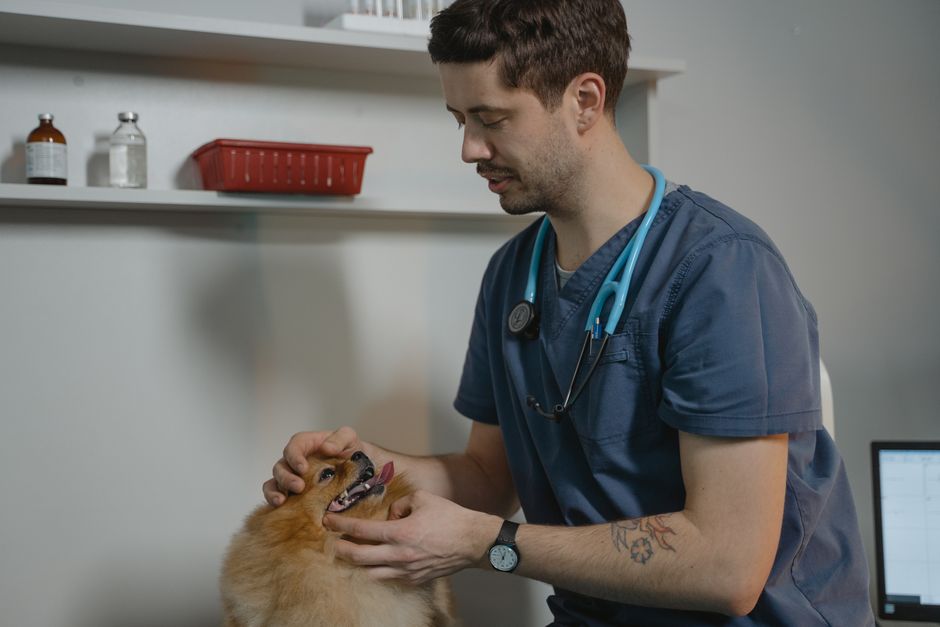
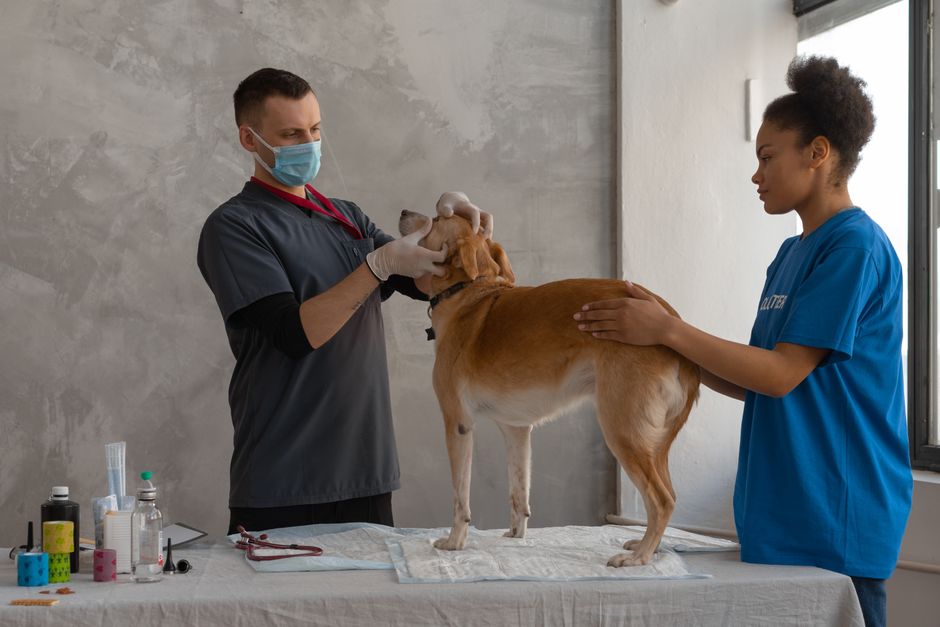
When you schedule a dog dental exam at Clear Creek Animal Hospital, your dog will receive a thorough evaluation tailored to their needs. Our veterinarians start with a visual inspection of the mouth, checking each tooth and examining the gums for signs of inflammation, recession, or masses. We look for tartar buildup, fractured or loose teeth, and any areas of discomfort. In many cases, we recommend dental radiographs to detect hidden problems below the gumline, such as abscesses or bone loss, which are not visible during a standard examination.
For a complete assessment, most dogs require a professional dental cleaning under anesthesia. This allows our veterinary team to safely and comfortably remove tartar, clean below the gumline, and polish the teeth. If necessary, we can perform extractions or other dental procedures to address painful or infected teeth. Our dentistry services for pets cover everything from routine cleanings to advanced treatments, ensuring your dog’s mouth stays as healthy as possible.
During the visit, we also discuss home care strategies, dietary recommendations, and follow-up plans to support your dog’s ongoing oral health. Our gentle approach ensures even nervous dogs feel safe and cared for at every stage of their dental visit.
The Importance of Dental Radiographs
Many dental issues are hidden below the gumline, making dental radiographs an essential part of a thorough dog dental exam. X-rays allow our veterinarians to spot problems such as infected roots, jawbone loss, and retained baby teeth. By catching these conditions early, we can recommend appropriate treatment before your dog experiences pain or more serious health effects. If you’re interested in learning more, explore our dental radiographs for pets page for additional information.
Preventing Dental Disease: Home Care and Professional Support
While annual dental exams are the cornerstone of oral health, what you do at home makes a big difference too. Regular tooth brushing is the most effective way to prevent plaque buildup. Using dog-specific toothpaste and a soft brush, aim for daily cleaning, but even a few times a week is beneficial. Dental chews and toys designed to promote oral health can also help reduce tartar, but they should never replace professional care.
Feeding your dog a balanced diet and offering crunchy kibble or dental treats may contribute to cleaner teeth. Always check with your veterinarian before introducing new dental products or changing your dog’s diet. Some dogs benefit from special dental diets or additives that help control bacteria in the mouth.
Despite your best efforts at home, professional dental cleanings remain necessary. Over time, tartar hardens and cannot be removed by brushing alone. Scheduling yearly dog dental exams at Clear Creek Animal Hospital gives your dog the best chance at a healthy, pain-free smile. Our team will guide you through every step, from preventive care to treatment options if problems arise.
When to Seek Veterinary Dental Care
It’s always best to schedule a dental exam before you see obvious signs of trouble. However, if you notice symptoms such as excessive drooling, bleeding from the mouth, swelling of the face, sudden reluctance to eat, or loose teeth, you should contact our veterinary team promptly. These signs may indicate advanced dental disease, infection, or other conditions that require immediate attention.
If your dog is acting differently—seeming withdrawn, yelping when eating, or refusing favorite chew toys—it’s time for a professional evaluation. Even subtle changes matter, especially for older dogs or those with chronic health issues. Our experienced veterinarians at Clear Creek Animal Hospital in Charlotte are trained to identify and address oral health concerns before they become emergencies.
For more information on what’s involved in a dental visit, explore our professional dental cleanings, exams, and x-rays page.
The Connection Between Oral Health and Whole-Body Wellness
Dental problems are more than just a nuisance—they can impact your dog’s entire body. When bacteria from dental disease enter the bloodstream, they can contribute to heart, kidney, and liver problems. Chronic pain from oral disease can also affect your dog’s behavior, appetite, and quality of life. By prioritizing regular dog dental exams, you’re not only protecting your dog’s mouth but supporting their long-term health and happiness.
Many pet owners in Charlotte are surprised to learn how significantly dental care can influence a dog’s overall wellness. Preventing dental disease means fewer health complications, lower veterinary costs over time, and a more comfortable, active life for your dog.
Why Choose Clear Creek Animal Hospital for Your Dog’s Dental Care?
Our team at Clear Creek Animal Hospital is dedicated to building lasting relationships with you and your pet. We take the time to explain every step of the dental process, answer your questions, and provide gentle, compassionate care at every visit. Whether it’s your dog’s first dental exam or you’re managing ongoing oral health issues, our veterinarians bring years of experience and a commitment to excellence.
We’re conveniently located at 9336 Parkton Rd, Charlotte, NC 28215 and serve families throughout Charlotte and the surrounding communities. Our clinic offers advanced technology and a full range of dental services, from pet teeth cleanings to pet tooth extractions when needed. You can trust our veterinary team to treat your dog like family and create a positive experience every time you visit.
Take the First Step: Schedule Your Dog Dental Exam Today
Don’t wait for dental problems to disrupt your dog’s health or happiness. Routine dog dental exams are the foundation of a long, comfortable life for your furry companion. If you’re searching for a veterinarian near me who truly cares, Clear Creek Animal Hospital is here to help. Our team is ready to answer your questions, walk you through the dental care process, and develop a personalized plan for your dog.
To book your dog’s next dental exam or to learn more about our full range of dental services, call us at (704) 285-2736 or visit us at 9336 Parkton Rd, Charlotte, NC 28215. For even more details on how we can support your dog’s oral health, explore our dentistry services for pets page. Our veterinary team looks forward to helping your dog achieve a healthy smile all year long.
This blog is for informational purposes only and does not replace professional veterinary advice. If you have concerns about your dog’s oral health, please contact your veterinarian for a thorough evaluation.