Signs Your Cat Needs a Veterinary Dental Exam

Signs Your Cat Needs a Veterinary Dental Exam
Does your cat have bad breath or seem to chew less enthusiastically these days? Dental health is one of the most overlooked aspects of feline care, yet it plays a crucial role in your cat’s overall wellbeing. At Clear Creek Animal Hospital, located at 9336 Parkton Rd, Charlotte, NC 28215, our veterinary team is dedicated to helping pet owners in Charlotte and surrounding communities keep their cats happy, healthy, and pain-free. Whether you’re noticing subtle changes in your cat’s behavior or you simply want to provide the best preventive care, understanding the warning signs of dental disease is key. In this blog, we’ll explore the symptoms that signal your cat may need a dental exam, why early intervention matters, and how our gentle approach to feline dentistry can protect your companion’s smile for years to come. If you've been searching for advice on cat dental care or wondering if your cat is due for a checkup, you’re in the right place.
Recognizing the Signs: When Is It Time for a Cat Dental Exam?
Many cats are masters at hiding discomfort, which makes it easy for dental problems to go unnoticed until they become advanced. That’s why it’s important to watch for subtle and obvious changes in your cat’s mouth, eating habits, and behavior. Common signs that your cat may need a veterinary dental exam include persistent bad breath, which often signals bacterial buildup; visible tartar or discoloration on the teeth; red, swollen, or bleeding gums; and reluctance to eat dry food or crunchy treats. You might also notice your cat dropping food from their mouth, chewing on one side, pawing at the face, or favoring soft foods. In some cases, cats with dental pain may become withdrawn, irritable, or less interested in grooming. Drooling, especially if tinged with blood, and visible sores or lumps in the mouth are other indicators that your cat’s oral health needs attention. These symptoms can range from mild to severe, but even early warning signs deserve prompt attention to prevent more serious issues down the road.
Understanding the Causes of Feline Dental Disease
Just like people, cats are susceptible to a range of dental problems as they age. The most common cause of feline dental disease is plaque accumulation, which hardens into tartar if not removed through regular cleaning. Over time, bacteria in plaque and tartar can lead to gingivitis (inflammation of the gums) and, if untreated, progress to periodontal disease, which damages the tissues and bones supporting the teeth. Other factors, such as genetics, diet, and immune system health, can influence your cat’s risk for dental issues. Certain breeds, like Persians and Siamese, may be more prone to dental disease due to their unique jaw structures. In addition, some cats experience resorptive lesions, a painful condition where tooth structure breaks down, exposing sensitive nerves. Oral tumors, trauma, and viral infections can also contribute to dental problems. Environmental factors, such as a lack of chewing opportunities and infrequent professional cleanings, further increase the risk of dental disease in cats living indoors.
What to Expect: Feline Dental Exams and Professional Treatment
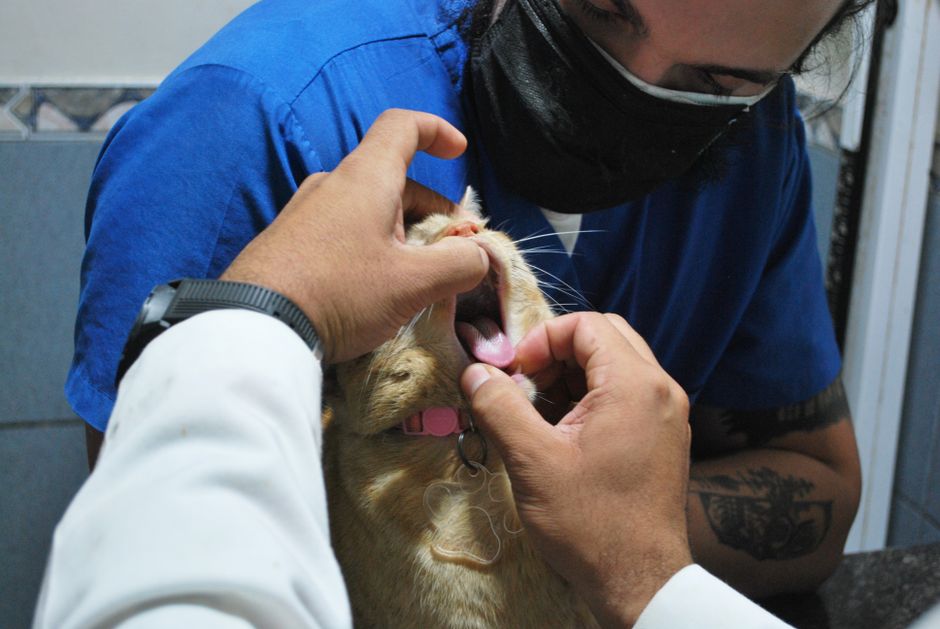
If you notice any signs of dental trouble in your cat, scheduling a veterinary dental exam is the next best step. At Clear Creek Animal Hospital, our veterinarians take a gentle, thorough approach to feline dental care. During your cat’s dental exam, we will carefully examine the teeth, gums, and oral tissues for signs of disease. We may recommend advanced diagnostics, including dental radiography for pets, to evaluate the health of tooth roots and underlying bone, as many issues are hidden below the gumline. If tartar buildup or periodontal disease is present, a professional cleaning under anesthesia will be advised to safely remove debris, polish the teeth, and address any infected areas. In cases where teeth are broken, loose, or severely diseased, pet tooth extractions or other oral surgery may be necessary to relieve pain and restore oral health. Our team uses modern techniques, careful monitoring, and gentle handling to ensure your cat’s comfort throughout every stage of the procedure. After treatment, we’ll discuss pain management, at-home care, and follow-up recommendations to support your cat’s recovery and ongoing dental health.
Preventing Dental Disease: Home Care for Your Cat’s Smile
While professional veterinary care is essential, daily and routine home care can make a significant difference in preventing dental problems. Brushing your cat’s teeth is one of the most effective ways to control plaque buildup; using a feline-specific toothbrush and toothpaste, start slowly and reward your cat for cooperation. If brushing isn’t possible, dental diets, chews, and water additives designed for cats can help reduce tartar and freshen breath. It’s also important to provide regular wellness exams and schedule professional dental cleanings and exams as recommended by your veterinarian. Monitoring your cat’s mouth for changes in odor, color, or structure and being proactive about scheduling checkups will help catch issues early. Remember, cats often do not show obvious signs of pain until dental disease is advanced, so preventive care is your best tool for protecting your cat’s comfort and long-term health.
When Should You Schedule a Veterinary Dental Exam for Your Cat?
If you notice any of the warning signs discussed above—such as persistent bad breath, red or bleeding gums, difficulty eating, or behavioral changes—it’s important to schedule a dental exam for your cat as soon as possible. Even if your cat seems healthy, most veterinarians recommend an annual dental checkup starting at age one to two, with more frequent exams as your cat ages or if they are prone to dental disease. Cats with a history of dental problems, breed predispositions, or existing medical conditions may need more frequent monitoring. Delaying dental care can allow minor issues to develop into painful infections or tooth loss, so timely attention is essential. If you’re unsure whether your cat needs a dental exam, our veterinary team is always happy to answer your questions and help you determine the best course of action for your pet’s unique needs.
Why Early Dental Care Matters for Your Cat
Ignoring dental health can have serious consequences for your cat’s quality of life. Untreated dental disease not only causes pain and difficulty eating but can also lead to infections that spread to other parts of the body, including the heart, liver, and kidneys. Cats with healthy mouths enjoy fresher breath, more comfortable eating, and are less likely to develop systemic illnesses related to chronic inflammation. Early intervention helps preserve your cat’s natural teeth, prevents costly or complex treatments, and supports a longer, happier life. At Clear Creek Animal Hospital, we believe that every cat deserves a pain-free smile and the opportunity to thrive. Our veterinary professionals prioritize gentle handling, advanced diagnostics, and personalized care to ensure that your cat receives the best possible dental support.
Your Partner in Feline Dental Health in Charlotte
Caring for your cat’s teeth is one of the most important things you can do to support their health and happiness. If you’re noticing changes in your cat’s eating habits, breath, or behavior, or if it’s simply time for an annual dental checkup, our team at Clear Creek Animal Hospital is here to help. We invite you to schedule an appointment for a comprehensive dental exam or professional pet teeth cleaning with our experienced veterinarians. When searching for a veterinarian near me, choosing a clinic with gentle, thorough dental care can make all the difference for your cat’s comfort and wellbeing. Reach out to us at (704) 285-2736 or visit 9336 Parkton Rd, Charlotte, NC 28215 to give your cat the healthy, pain-free smile they deserve. Our veterinary team is proud to serve Charlotte and surrounding communities with the personalized care your pet deserves.
This blog is intended for informational purposes only and does not replace professional veterinary advice. If you have concerns about your cat’s dental health or notice any of the signs described above, please contact your veterinarian promptly for a thorough evaluation.