Protecting Pets From Heatstroke: Summer Safety Tips in North Carolina

Protecting Pets From Heatstroke: Summer Safety Tips in North Carolina
When the summer sun blazes over North Carolina, pet owners quickly become concerned about the dangers of heatstroke for their dogs and cats. Our region’s humid climate, especially in June and throughout the warmer months, can turn a pleasant day into a risky one for four-legged family members. At Clear Creek Animal Hospital, we understand how much you care about your pet’s comfort and wellbeing. That’s why our veterinary team is committed to helping you recognize the risks of overheating, spot the signs of heatstroke, and take practical steps to keep your pet safe all summer long. In this guide, you’ll discover how to identify heat-related emergencies, why pets are so vulnerable to high temperatures, and what you can do to provide immediate relief while preventing heatstroke from happening in the first place. We’ll also share guidance on when to seek professional veterinary care and how our gentle, personalized approach makes us a trusted choice for pet owners in North Carolina and surrounding communities.
Recognizing Heatstroke: What Every Pet Owner Should Know
Heatstroke is a life-threatening emergency that can develop quickly in both dogs and cats. Unlike people, our pets do not sweat to cool themselves; instead, they rely mostly on panting and a few sweat glands in their paw pads to release excess heat. This makes them especially vulnerable during periods of high temperature and humidity, which are common in North Carolina’s summer months.
Key symptoms of heatstroke include rapid or heavy panting, bright red or pale gums, drooling, weakness, vomiting, diarrhea, and confusion. In severe cases, pets may collapse, have seizures, or lose consciousness. Cats may hide or become lethargic, while dogs often appear restless or anxious before showing more serious signs. If you notice any of these warning signs after time outdoors, in a car, or even indoors without adequate cooling, immediate action is needed to protect your pet’s life.
Why Pets Are at High Risk in North Carolina Summers
Our state’s unique blend of high temperatures and humidity means pets can overheat more quickly than you might expect. Dogs and cats are less efficient at dissipating heat, and certain breeds are at even greater risk. For example, short-nosed breeds such as Bulldogs, Pugs, and Persian cats, as well as pets with thick or dark coats, face increased danger. Young, elderly, and overweight animals, or those with underlying health conditions, also have more difficulty staying cool.
Common scenarios that put pets at risk include being left in parked cars, even for a few minutes, exercising during the hottest parts of the day, or spending time on hot pavement or in poorly ventilated spaces. North Carolina’s humidity further reduces the effectiveness of panting, making it harder for pets to regulate their body temperature. Owners may not always realize how quickly conditions become hazardous, especially during heat waves or sudden spikes in temperature.
How Heatstroke Is Treated: What to Expect at the Veterinary Clinic
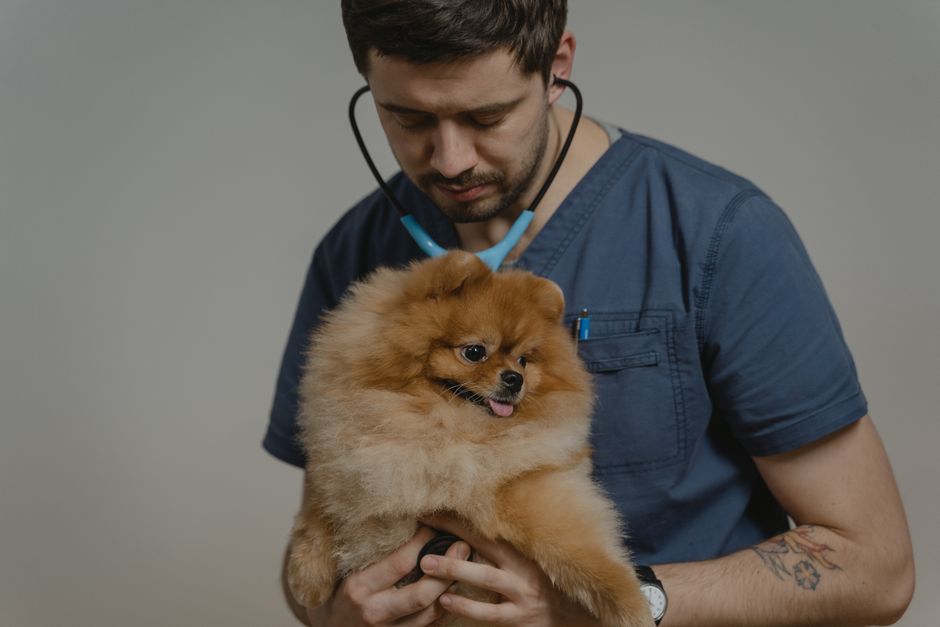
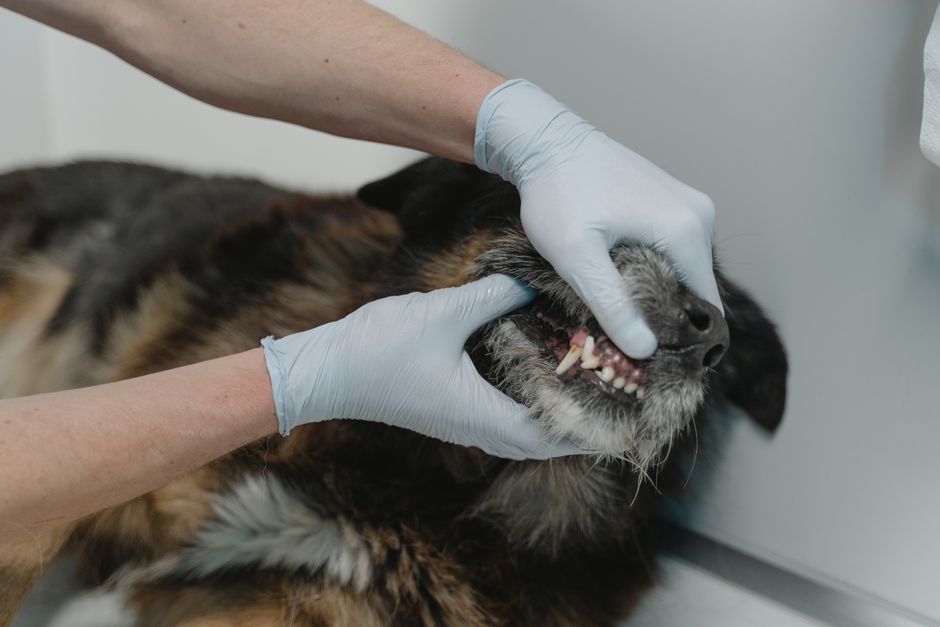
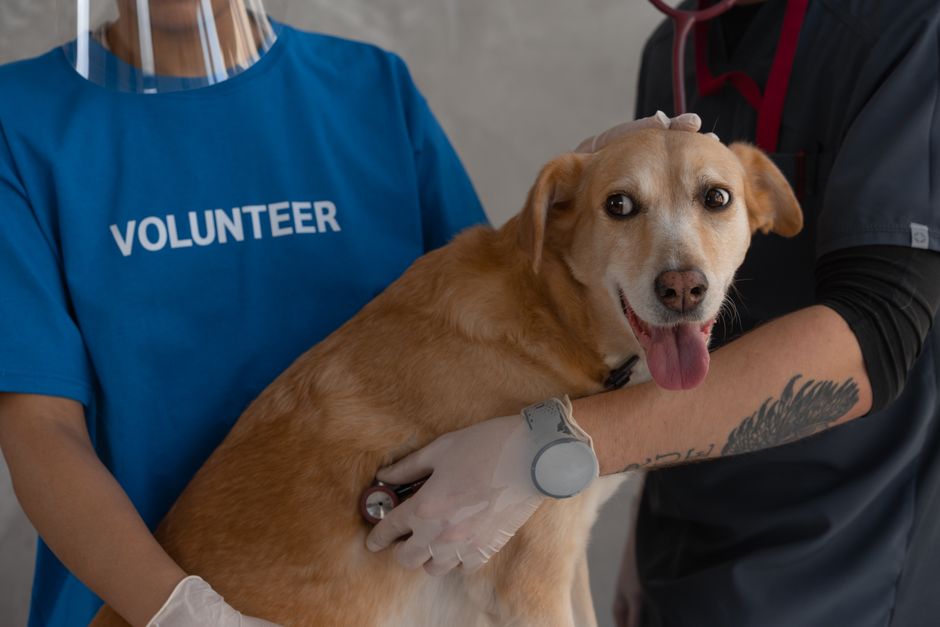
If your pet is showing signs of heatstroke, prompt veterinary care is essential. At Clear Creek Animal Hospital, our veterinarians will immediately assess your pet’s temperature, breathing, heart rate, and organ function. Initial treatment involves cooling your pet safely, often using cool (not cold) water, fans, and intravenous fluids to restore hydration and support circulation. Monitoring for complications such as organ damage, clotting disorders, or neurological symptoms is a critical part of the recovery process.
Pets with heatstroke may require hospitalization for supportive care, including oxygen therapy, medications to control seizures or vomiting, and close observation. The sooner treatment begins, the better the chances of a full recovery. However, severe heatstroke can cause lasting organ damage or even be fatal, which is why prevention and early intervention are so important.
Keeping Your Pet Cool: Prevention and Home Care Tips
Preventing heatstroke is far easier than treating it. Practical steps to protect your pet include always providing access to fresh water and shade, limiting outdoor activities to early mornings or evenings when temperatures are cooler, and avoiding strenuous exercise on hot, humid days. Never leave your pet unattended in a car, even with the windows cracked, as temperatures inside vehicles rise rapidly and can become deadly within minutes.
At home, consider using fans or air conditioning to keep your pet comfortable. Cooling mats, frozen treats, and damp towels can offer additional relief, especially for dogs after a walk or play session. For cats, ensure there are cool resting spots and plenty of water sources throughout your home. Watch for signs of overheating, such as excessive panting or restlessness, and bring your pet indoors if you notice any discomfort.
Regular grooming can also help, particularly for pets with thick coats that trap heat. However, avoid shaving your pet’s fur without consulting a veterinarian, as their coat also provides protection from sunburn and insects. For brachycephalic breeds or pets with medical conditions, extra caution is needed during the summer months. If you have questions about your pet’s individual risk factors, the veterinary professionals at Clear Creek Animal Hospital are always available to help you develop a summer safety plan tailored to your furry companion.
When to Seek Veterinary Care for Heatstroke
Immediate veterinary attention is critical if your pet shows any signs of heatstroke. Warning signs that indicate an emergency include heavy panting or difficulty breathing, drooling, vomiting, unsteadiness, collapse, or unresponsiveness. If your pet’s gums turn bright red, pale, or blue, or if they have a seizure, seek help without delay. While you can begin cooling your pet at home with cool, wet towels and moving them to a shaded or air-conditioned area, do not use ice-cold water, as this can cause blood vessels to constrict and worsen the situation.
After stabilizing your pet, contact Clear Creek Animal Hospital right away for further instructions and to arrange an urgent examination. Our veterinary team will guide you on the next steps and provide the comprehensive care your pet needs to recover safely. Even if your pet seems to improve after cooling, underlying complications can arise hours later, so a professional evaluation is always recommended.
Local Summer Safety: Tailoring Your Approach for North Carolina Pets
Living in North Carolina means being prepared for hot, humid summers that challenge both pets and their owners. Stay informed about local weather alerts and consider your pet’s breed, age, and health status when planning activities. For those in North Carolina and surrounding communities, our team at Clear Creek Animal Hospital understands the unique needs of pets in our region and is dedicated to providing gentle, personalized care in every visit.
We encourage all pet owners to take proactive steps each summer, from scheduling wellness checkups before the hottest months arrive to asking our veterinarians about specific cooling strategies that suit your home and pet’s lifestyle. If you are searching for a veterinarian near me who understands summer safety for dogs and cats in North Carolina, our team is here for you.
Stay Cool and Safe: Trust Clear Creek Animal Hospital With Your Pet’s Summer Health
As temperatures climb, remember that heatstroke is a preventable but potentially deadly condition for both dogs and cats. By recognizing the early signs, understanding the special risks posed by North Carolina’s summer climate, and following practical prevention tips, you can keep your pet healthy and comfortable all season long. Should you have any concerns or notice symptoms of overheating, do not wait to reach out for professional help.
To schedule an appointment or discuss your pet’s summer safety plan, contact the compassionate veterinary team at Clear Creek Animal Hospital. We are committed to helping pet owners in North Carolina and the surrounding areas protect their furry companions through every season. Your pet’s wellbeing is our top priority, and we are always here to provide expert advice, timely care, and peace of mind when you need it most.
If you have questions about your pet’s risk factors or need to schedule a summer checkup, we encourage you to call our clinic. Our friendly veterinary professionals are ready to help you keep your pet happy, healthy, and safe during the warm months and beyond.
For more information or to book your next visit, please call us at (555) 123-4567.