Dog Colds and Flu Symptoms: What Charlotte Pet Owners Should Know

Dog Colds and Flu Symptoms: What Charlotte Pet Owners Should Know
As a pet owner in Charlotte, it's natural to worry when your dog starts sneezing, coughing, or acting out of sorts—especially during the colder months or times of seasonal illness. Understanding dog colds and flu symptoms can help you catch problems early, ease your pet’s discomfort, and know when to seek veterinary care. At Clear Creek Animal Hospital, our team of veterinarians in Charlotte, NC is dedicated to helping local pet owners navigate these common health concerns with gentle, personalized attention. In this guide, you’ll learn how to recognize signs of respiratory illness, discover what causes dog colds and flu, explore treatment and prevention options, and understand when it’s time to schedule an appointment. Our goal is to empower you with the knowledge you need to keep your dog healthy and happy all year long.
Recognizing Dog Colds and Flu Symptoms in Charlotte
When your dog is under the weather, it can be difficult to tell whether it’s a mild cold, canine flu, or something else entirely. Dog colds and flu symptoms often mimic those seen in people, although the viruses that affect dogs are different from those that make humans sick. Key symptoms include sneezing, coughing, nasal discharge, watery eyes, and reduced energy. You might also notice your dog has a decreased appetite, is sleeping more than usual, or seems less interested in playtime. In some cases, symptoms like a mild fever, slight shivering, or noisy breathing may develop.
It’s important to pay attention to changes in your dog’s behavior and appearance. For example, if your dog suddenly starts to cough after being at a dog park, boarding facility, or grooming salon, it could be a sign of a respiratory infection. While most colds are mild, canine flu can cause more persistent or severe symptoms, such as ongoing cough, thick nasal discharge, and labored breathing. Monitoring your dog closely and noting when symptoms started can help your veterinarian make a timely, accurate diagnosis.
What Causes Colds and Flu in Dogs?
Just like people, dogs can catch respiratory infections from other dogs—particularly in places where pets congregate, such as boarding kennels, doggy daycares, or parks. The most common causes of dog colds are viruses such as canine parainfluenza and bacteria like Bordetella bronchiseptica, which together can lead to kennel cough. Canine influenza virus (the dog flu) is another contagious illness, spread through respiratory droplets from coughing, sneezing, or sharing water bowls and toys.
Environmental factors in Charlotte and the surrounding communities can also play a role. Cooler weather and increased indoor gatherings during the fall and winter may raise the risk of respiratory illnesses spreading among dogs. Additionally, stress from travel, boarding, or changes in routine can weaken your dog’s immune system, making them more susceptible to infections.
It’s important to note that while dog colds and flu are highly contagious among dogs, they are not transmitted to humans. However, dogs with existing health conditions, puppies, seniors, and those with compromised immune systems are at higher risk of more serious complications if they contract these illnesses.
Treatment and Management: What to Expect from Your Veterinary Team
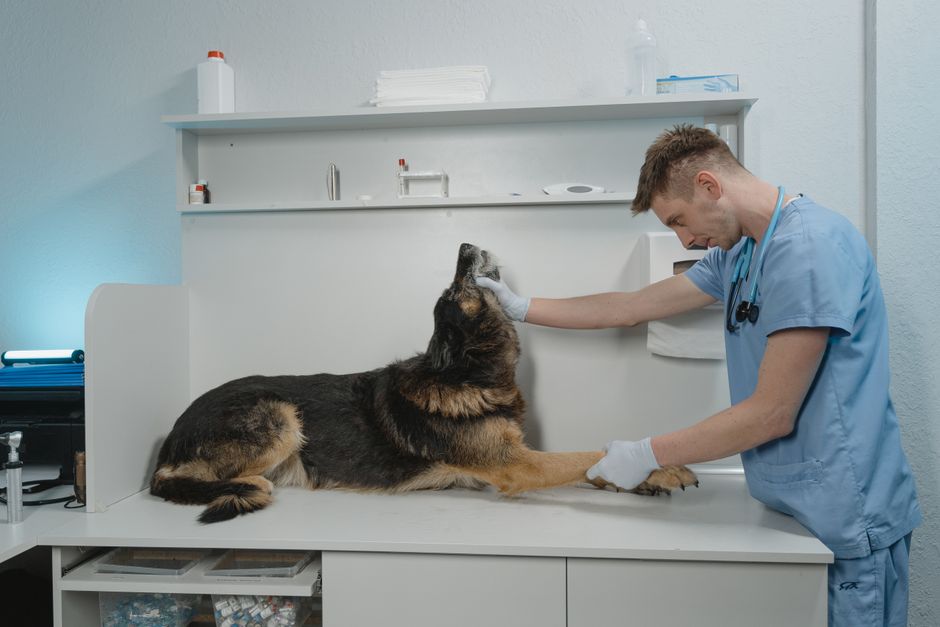
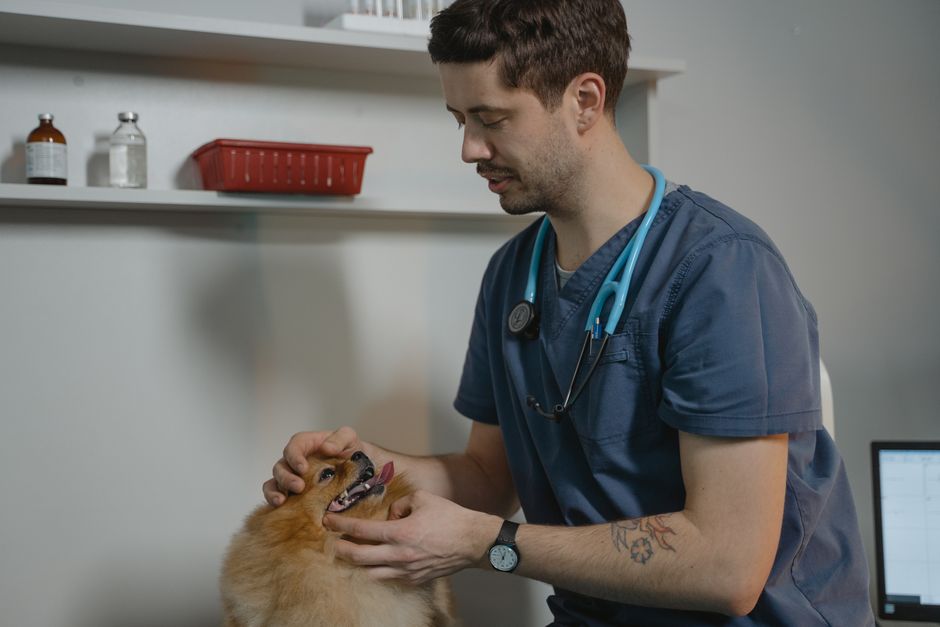
If you notice dog colds and flu symptoms in your dog, our team at Clear Creek Animal Hospital is here to help. During a veterinary visit, one of our veterinarians will perform a thorough physical examination and ask about your dog’s recent activities, exposures, and the progression of symptoms. Diagnostic steps may include listening to your dog’s lungs, checking their temperature, and, if needed, recommending pet diagnostic lab services to rule out other causes or secondary infections.
Treatment for mild dog colds often focuses on supportive care. This involves keeping your dog comfortable, well-hydrated, and rested. If your dog is experiencing more severe symptoms or is at higher risk for complications, the veterinarian may prescribe medications such as cough suppressants or antibiotics (if a bacterial infection is suspected). Dogs with canine flu may require additional monitoring, especially if they develop a persistent cough or breathing difficulty.
In cases where symptoms overlap with other conditions—such as allergies—additional allergy testing may be recommended to ensure your dog receives the most appropriate care. Our veterinary team will guide you through the treatment options and provide advice tailored to your dog’s specific needs.
Prevention and Home Care Tips for Charlotte Pet Owners
Preventing dog colds and flu starts with smart, everyday habits. Make sure your dog is up to date on recommended pet vaccinations, including vaccines for Bordetella (kennel cough) and canine influenza. These immunizations can significantly reduce your dog’s risk of contracting or spreading contagious respiratory diseases, especially if you frequently board your dog or visit busy dog parks.
At home, keep your dog’s environment clean and avoid exposing them to sick dogs whenever possible. Wash your hands and change clothes after interacting with other pets, and regularly clean food and water bowls, toys, and bedding. If your dog does become ill, minimize contact with other dogs until they have fully recovered to prevent the spread of infection.
Supporting your dog’s immune health is also important. Provide a balanced diet, ensure regular exercise, and schedule annual wellness exams to catch any underlying health issues early. If your dog has allergies, managing their symptoms can help prevent respiratory flare-ups that might be mistaken for a cold.
When Should You See a Veterinarian?
Most dog colds are mild and resolve within a week or so with rest and supportive care at home. However, there are times when prompt veterinary attention is essential. Warning signs to watch for are a persistent or worsening cough, thick or colored nasal discharge, difficulty breathing, loss of appetite lasting more than a day, vomiting, or signs of lethargy that do not improve. Puppies, senior dogs, and pets with chronic health conditions should be seen by a veterinarian sooner if any symptoms of illness appear.
If you’re unsure whether your dog’s symptoms are a simple cold, canine flu, or another health issue, our veterinary team can help you determine the best next steps. Seeking professional care early supports a quicker recovery and helps protect other dogs in your community from contagious illnesses.
Supporting Your Dog’s Health at Clear Creek Animal Hospital
At Clear Creek Animal Hospital in Charlotte, NC, our team of veterinarians is committed to supporting Charlotte pet owners with trustworthy advice and compassionate care. Recognizing dog colds and flu symptoms early, taking preventive steps, and seeking veterinary guidance when needed are essential for your dog’s wellbeing. We recommend scheduling an appointment if you have any concerns about your dog’s respiratory health or if you notice any of the signs discussed in this guide.
Our veterinary professionals are here to provide thorough examinations, personalized treatment plans, and ongoing support for you and your pet. If you’re searching for a veterinarian near me who truly cares about your dog’s health, we invite you to contact us today. You can reach Clear Creek Animal Hospital at (704) 537-8405 or visit us in person at 9336 Parkton Rd, Charlotte, NC 28215. For more information about our wellness exams or to learn how we help manage dog colds flu symptoms with gentle, comprehensive care, please explore our website or schedule your visit today. Your dog’s comfort and health are always our top priority.