August Checklist: Keeping Charlotte Pets Healthy After Summer Storms

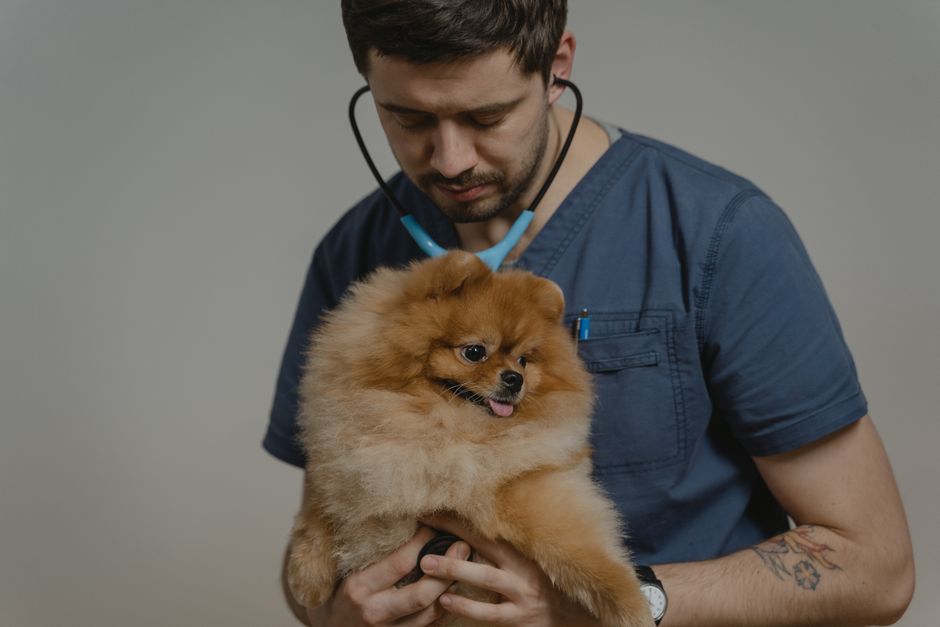
August Checklist: Keeping Charlotte Pets Healthy After Summer Storms
August in Charlotte, NC, is known for its sudden thunderstorms, heavy rains, and high humidity. While these weather patterns bring much-needed relief from the summer heat, they can also introduce a host of health concerns for your beloved pets. At Clear Creek Animal Hospital, located at 9336 Parkton Rd, Charlotte, NC 28215, our team of veterinarians is dedicated to helping you keep your dog or cat healthy and comfortable, no matter what the forecast brings. In this guide, we will explore the most common post-storm health risks for pets in our region, explain how to recognize early warning signs, and offer practical tips for prevention and care. Whether you’re concerned about muddy paws tracking in unwanted bacteria, increased parasite risk after heavy rain, or stress and anxiety from loud storms, understanding these dangers is the first step in keeping your pet safe. Read on to learn how Clear Creek Animal Hospital can support you in protecting your pet’s health this August and all year long.
Recognizing Post-Storm Health Problems in Your Pet
When summer storms sweep through Charlotte and surrounding communities, your pet may be exposed to new health risks that are not always obvious. It’s important to watch for signs that your dog or cat may be feeling the effects of recent weather changes. After a storm, symptoms to look for include increased scratching or licking, which may suggest exposure to allergens or external parasites. Gastrointestinal upset, such as vomiting or diarrhea, is also common after pets drink from contaminated puddles or chew on debris blown into the yard. Lethargy, reduced appetite, or any sign of limping after navigating slippery surfaces or debris-strewn yards should also raise concern. Anxiety and behavioral changes, including hiding, vocalizing, or destructive behavior, often appear in pets who are stressed by thunder or sudden environmental changes. Additionally, skin problems like redness, bumps, or hotspots can develop quickly in humid, muddy conditions. If you notice any of these changes in your pet, it is essential to monitor them closely and consider reaching out for a wellness examination if symptoms persist.
Why Summer Storms Increase Health Risks for Charlotte Pets
The warm, wet climate of a North Carolina August creates the perfect environment for several pet health hazards. Standing water left by heavy rains becomes a breeding ground for mosquitoes, which are the primary carriers of heartworm disease. In addition, puddles and runoff can harbor bacteria such as Leptospira and Giardia, putting your pet at risk for serious infections if they drink from or wade through contaminated water. Muddy yards, broken branches, and wind-blown debris can cause cuts, scrapes, or even more serious injuries for curious pets exploring after a storm. Humidity and moisture trapped in your pet’s fur or between their toes can accelerate the development of skin infections and hotspots, especially in dogs with dense coats or skin folds. For pets with allergies, summer storms often stir up pollen, mold, and other irritants, leading to increased itching and skin irritation. Thunder and lightning can trigger anxiety, resulting in pacing, panting, hiding, or even attempts to escape the house or yard. Understanding these storm-related risks allows you to take proactive steps to protect your pet before, during, and after summer weather events.
Managing Health Concerns: How Clear Creek Animal Hospital Can Help
When your pet faces health challenges after a summer storm, timely and compassionate veterinary care is essential. Our team at Clear Creek Animal Hospital offers a wide range of services designed to diagnose and treat the most common post-storm problems. For pets showing signs of skin irritation or persistent itching, our dermatology services can help identify underlying causes, whether related to allergies, parasites, or infection. If your pet is sneezing, scratching, or experiencing recurring ear or skin issues, we also provide allergy testing to pinpoint specific triggers and develop a personalized management plan. Gastrointestinal symptoms, such as vomiting or diarrhea, are evaluated with in-house diagnostics to ensure prompt treatment and support. For those concerned about parasites, our clinic offers heartworm testing and recommendations for year-round prevention. Behavioral changes or anxiety after storms may benefit from a wellness consultation, where our veterinarians can discuss options to help your pet feel more secure and comfortable at home. Surgical care is also available if your pet suffers a laceration or injury from storm debris. Throughout every visit, our gentle approach ensures your pet receives personalized care tailored to their unique needs.
Preventing Post-Storm Problems: Practical Tips for Pet Owners
Protecting your pet from the aftereffects of summer storms begins with prevention at home. After heavy rain, inspect your yard for standing water and remove any debris or fallen branches that could injure your pet or harbor bacteria. Avoid allowing your dog or cat to drink from puddles or play in muddy areas, as these can contain harmful microorganisms. Wipe your pet’s paws and coat thoroughly when they return indoors to remove moisture, mud, and allergens. For pets with long or dense fur, regular grooming helps prevent matting and skin irritation. Maintain current parasite prevention, including prescription flea, tick, and heartworm medications, as local mosquito and parasite activity increases after storms. Monitor your pet’s stress level during thunder or high winds by providing a safe, quiet space indoors and using calming techniques as recommended by your veterinarian. If your pet has known allergies, consider limiting their time outdoors during high pollen or mold counts, and schedule a wellness examination to discuss allergy management options. By taking these simple steps, you can greatly reduce the risk of post-storm health issues for your pet.
When to Schedule a Veterinary Visit
While many minor issues can be managed at home, some situations require prompt attention from your veterinary team. Contact Clear Creek Animal Hospital if your pet shows persistent vomiting, diarrhea, or signs of dehydration such as dry gums or lethargy, especially if they have been exposed to standing water or storm runoff. Seek care if you notice excessive scratching, hair loss, or red, inflamed skin that does not improve within a day or two, as this may indicate infection or a more serious allergy. Any wounds, limping, or reluctance to move after a storm should be evaluated to rule out injury. If your pet seems unusually anxious or cannot settle after a thunderstorm, a veterinary consultation can help you develop a plan to reduce their stress and improve their wellbeing. Remember, heartworm disease and other mosquito-borne illnesses are easier to prevent than treat, so staying current on annual screenings and preventive medications is essential. Our caring team is always here to answer your questions and provide the support your pet needs to stay healthy during Charlotte’s unpredictable summer weather.
Supporting Your Pet’s Health All Year Long
At Clear Creek Animal Hospital, we understand that every season brings unique challenges for pet owners in Charlotte and the surrounding communities. Our commitment is to provide gentle, personalized care that helps your pet thrive—rain or shine. Whether your concerns include skin issues, parasite prevention, injury, or anxiety, our experienced veterinarians are here to guide you through every step. If you have questions about your pet’s health after a storm or would like to set up a preventive care plan, we invite you to reach out. When searching for a veterinarian near me, choosing a trusted local partner makes all the difference. Schedule your next visit by calling (704) 285-2736 or stop by our convenient location at 9336 Parkton Rd, Charlotte, NC 28215. You can also explore our wellness examination and allergy testing services online for more information. We are honored to be your partner in keeping your pets healthy and happy, no matter what the weather brings.
This article is intended for informational purposes only and does not replace professional veterinary advice. If your pet is experiencing a health emergency, please contact your veterinarian immediately.